Buy ingasalpinetavern.com ?
We are moving the project
ingasalpinetavern.com .
Are you interested in purchasing the domain
ingasalpinetavern.com ?
domain@kv-gmbh.de · 0541-91531010
Buy ingasalpinetavern.com ?
What happened after the Mushroom War in Adventure Time and how did the war come about?
After the Mushroom War in Adventure Time, the world was left in ruins and was inhabited by various mutated creatures and remnants of human civilization. The war was caused by a series of escalating conflicts and the use of advanced technology, which ultimately led to a catastrophic event that devastated the land. The aftermath of the war led to the rise of new societies and kingdoms, as well as the emergence of magical and fantastical elements in the world. The show explores the adventures of Finn and Jake as they navigate this post-apocalyptic world and encounter its strange inhabitants. **
What is the difference between apres and apres que?
The main difference between "après" and "après que" is that "après" is a preposition that means "after," while "après que" is a conjunction that means "after" or "after that." "Après" is used to indicate a time relationship between two events or actions, while "après que" is used to introduce a subordinate clause that expresses an action that occurs after another action. For example, "Je suis rentré après le dîner" means "I came back after dinner," while "Je suis rentré après que le dîner était fini" means "I came back after dinner was finished." **
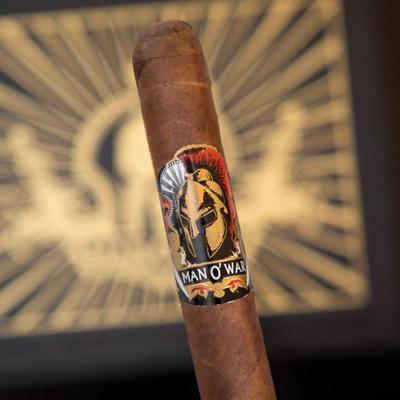
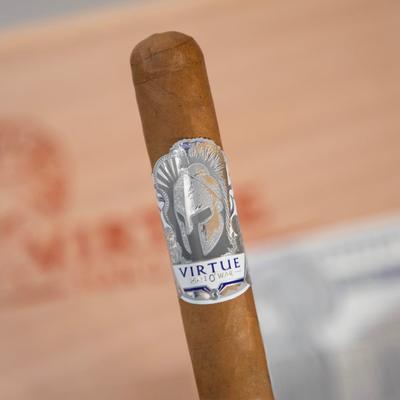
Similar search terms for War
Top-Angebote
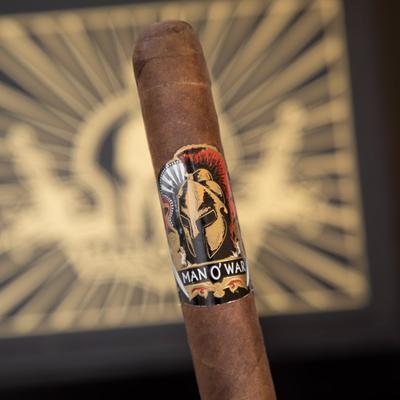
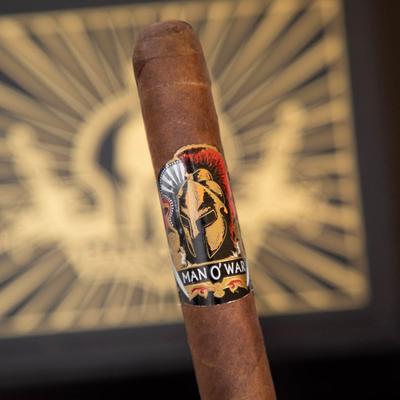
Products related to War:
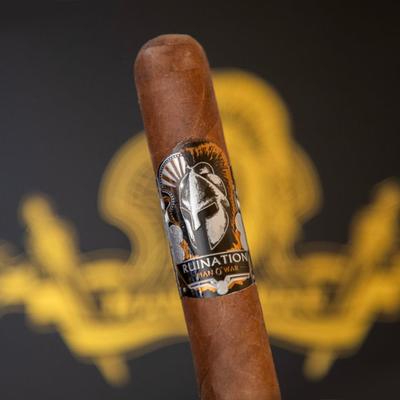
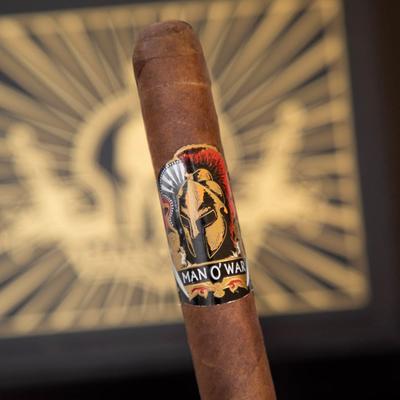
-
Was the Korean War a proxy war or a civil war?
The Korean War was a proxy war, as it was fought between the communist-backed North Korea and the capitalist-backed South Korea, with support and involvement from other major powers such as the United States, China, and the Soviet Union. The conflict was not solely an internal struggle within Korea, but rather a larger geopolitical struggle between the two opposing ideologies of communism and capitalism. The involvement of outside powers and the global implications of the war make it more accurately described as a proxy war rather than a civil war. **
-
Do mountain troops exist without skiing skills?
While skiing skills are often associated with mountain troops due to the terrain they operate in, it is not a requirement for all mountain troops. Mountain troops can still exist and be effective in rugged, high-altitude environments without skiing skills. They may utilize other methods of mobility such as snowshoeing, climbing, or hiking to navigate the challenging terrain. Ultimately, the specific skills and training required for mountain troops will depend on the specific needs and conditions of their operational environment. **
-
Are medium mountain ranges higher than the Alpine foothills?
No, medium mountain ranges are typically lower in elevation than the Alpine foothills. The Alpine foothills are located at the base of the Alps, which are some of the highest mountains in Europe. Medium mountain ranges, on the other hand, are generally lower in elevation and do not reach the heights of the Alps or their foothills. **
-
Is the First World War a modern war?
Yes, the First World War is considered a modern war due to the use of advanced technology and tactics that were unprecedented at the time. The war saw the introduction of new weapons such as tanks, airplanes, and chemical warfare, which changed the nature of warfare. Additionally, the scale of the conflict involving multiple countries and resulting in millions of casualties marked a departure from previous wars in terms of its global impact and devastation. Overall, the First World War is seen as a turning point in military history towards modern warfare. **
Are the low mountain ranges higher than the Alpine foothills?
No, the low mountain ranges are not higher than the Alpine foothills. The Alpine foothills are located at the base of the Alps and are generally lower in elevation compared to the low mountain ranges. The low mountain ranges, such as the Ardennes or the Black Forest, are typically higher in elevation and have more rugged terrain than the Alpine foothills. **
What is the motto of Wallenstein: "War feeds war" in the Thirty Years' War?
The motto "War feeds war" reflects the strategy of Wallenstein, a prominent military leader in the Thirty Years' War. It suggests that the continuation of war is necessary for its sustenance, as it provides resources, power, and opportunities for those involved in the conflict. This motto encapsulates the idea that war perpetuates itself, creating a cycle of violence and destruction. Wallenstein's approach to warfare was characterized by aggressive tactics and a focus on maintaining and expanding his military influence, making this motto a fitting representation of his approach to the conflict. **
Top-Angebote
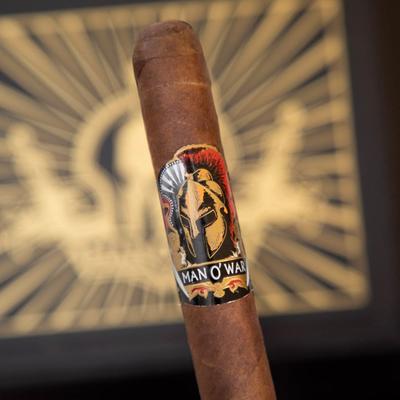
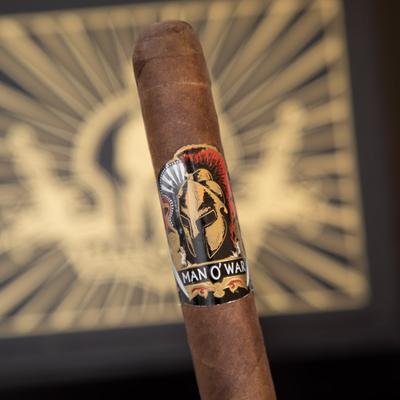
Products related to War:
-
What happened after the Mushroom War in Adventure Time and how did the war come about?
After the Mushroom War in Adventure Time, the world was left in ruins and was inhabited by various mutated creatures and remnants of human civilization. The war was caused by a series of escalating conflicts and the use of advanced technology, which ultimately led to a catastrophic event that devastated the land. The aftermath of the war led to the rise of new societies and kingdoms, as well as the emergence of magical and fantastical elements in the world. The show explores the adventures of Finn and Jake as they navigate this post-apocalyptic world and encounter its strange inhabitants. **
-
What is the difference between apres and apres que?
The main difference between "après" and "après que" is that "après" is a preposition that means "after," while "après que" is a conjunction that means "after" or "after that." "Après" is used to indicate a time relationship between two events or actions, while "après que" is used to introduce a subordinate clause that expresses an action that occurs after another action. For example, "Je suis rentré après le dîner" means "I came back after dinner," while "Je suis rentré après que le dîner était fini" means "I came back after dinner was finished." **
-
Was the Korean War a proxy war or a civil war?
The Korean War was a proxy war, as it was fought between the communist-backed North Korea and the capitalist-backed South Korea, with support and involvement from other major powers such as the United States, China, and the Soviet Union. The conflict was not solely an internal struggle within Korea, but rather a larger geopolitical struggle between the two opposing ideologies of communism and capitalism. The involvement of outside powers and the global implications of the war make it more accurately described as a proxy war rather than a civil war. **
-
Do mountain troops exist without skiing skills?
While skiing skills are often associated with mountain troops due to the terrain they operate in, it is not a requirement for all mountain troops. Mountain troops can still exist and be effective in rugged, high-altitude environments without skiing skills. They may utilize other methods of mobility such as snowshoeing, climbing, or hiking to navigate the challenging terrain. Ultimately, the specific skills and training required for mountain troops will depend on the specific needs and conditions of their operational environment. **
Similar search terms for War
-
Are medium mountain ranges higher than the Alpine foothills?
No, medium mountain ranges are typically lower in elevation than the Alpine foothills. The Alpine foothills are located at the base of the Alps, which are some of the highest mountains in Europe. Medium mountain ranges, on the other hand, are generally lower in elevation and do not reach the heights of the Alps or their foothills. **
-
Is the First World War a modern war?
Yes, the First World War is considered a modern war due to the use of advanced technology and tactics that were unprecedented at the time. The war saw the introduction of new weapons such as tanks, airplanes, and chemical warfare, which changed the nature of warfare. Additionally, the scale of the conflict involving multiple countries and resulting in millions of casualties marked a departure from previous wars in terms of its global impact and devastation. Overall, the First World War is seen as a turning point in military history towards modern warfare. **
-
Are the low mountain ranges higher than the Alpine foothills?
No, the low mountain ranges are not higher than the Alpine foothills. The Alpine foothills are located at the base of the Alps and are generally lower in elevation compared to the low mountain ranges. The low mountain ranges, such as the Ardennes or the Black Forest, are typically higher in elevation and have more rugged terrain than the Alpine foothills. **
-
What is the motto of Wallenstein: "War feeds war" in the Thirty Years' War?
The motto "War feeds war" reflects the strategy of Wallenstein, a prominent military leader in the Thirty Years' War. It suggests that the continuation of war is necessary for its sustenance, as it provides resources, power, and opportunities for those involved in the conflict. This motto encapsulates the idea that war perpetuates itself, creating a cycle of violence and destruction. Wallenstein's approach to warfare was characterized by aggressive tactics and a focus on maintaining and expanding his military influence, making this motto a fitting representation of his approach to the conflict. **
* All prices are inclusive of VAT and, if applicable, plus shipping costs. The offer information is based on the details provided by the respective shop and is updated through automated processes. Real-time updates do not occur, so deviations can occur in individual cases. ** Note: Parts of this content were created by AI.