Buy ingasalpinetavern.com ?
We are moving the project
ingasalpinetavern.com .
Are you interested in purchasing the domain
ingasalpinetavern.com ?
domain@kv-gmbh.de · 0541-91531010
Buy ingasalpinetavern.com ?
What does bravery mean?
Bravery means having the courage to face difficult or dangerous situations without being overcome by fear. It involves taking risks and standing up for what is right, even in the face of adversity. Bravery can manifest in various forms, such as speaking out against injustice, confronting personal fears, or taking on challenges that others may shy away from. Ultimately, bravery is about showing strength and resilience in the face of adversity. **
Why does Cloelia prove bravery?
Cloelia proves bravery because she is willing to risk her own safety in order to escape captivity and return to her homeland. Despite being held hostage by the Etruscans, she seizes an opportunity to escape and leads a group of young women to swim across the Tiber River to freedom. Her determination and courage in the face of danger demonstrate her strong sense of loyalty to her people and her willingness to take action in order to protect them. **
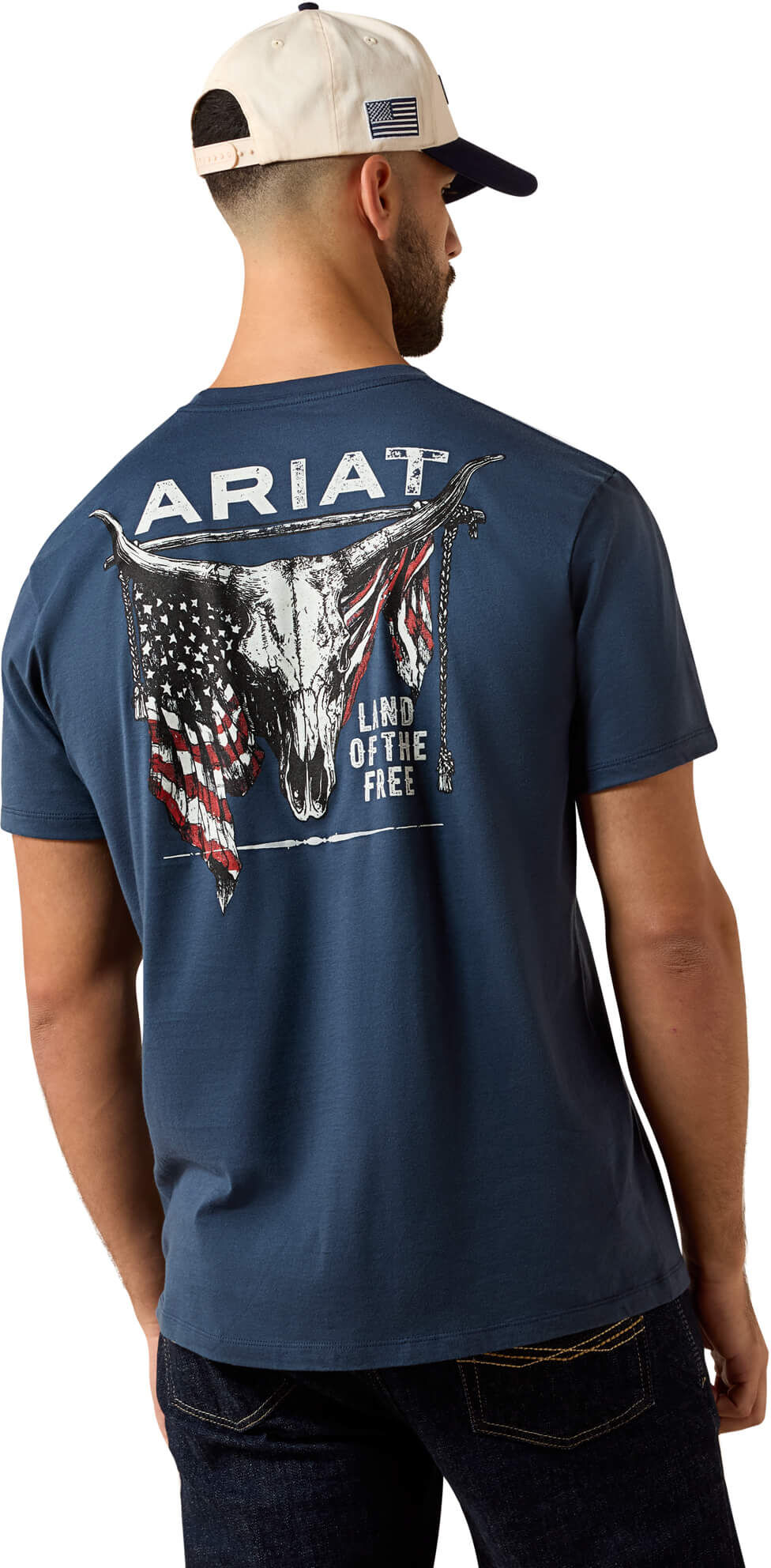

Similar search terms for Bravery
Top-Angebote
Products related to Bravery:

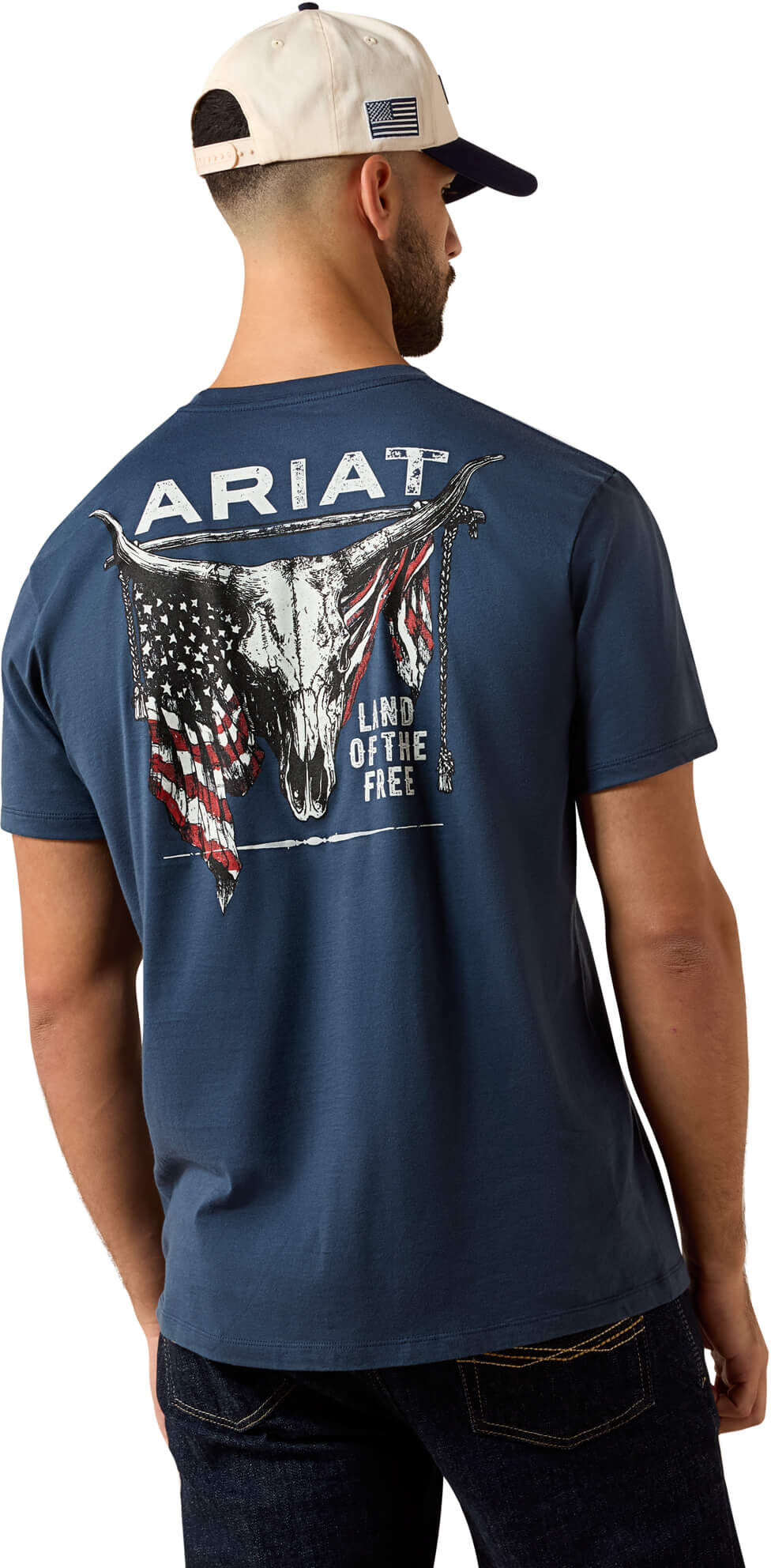
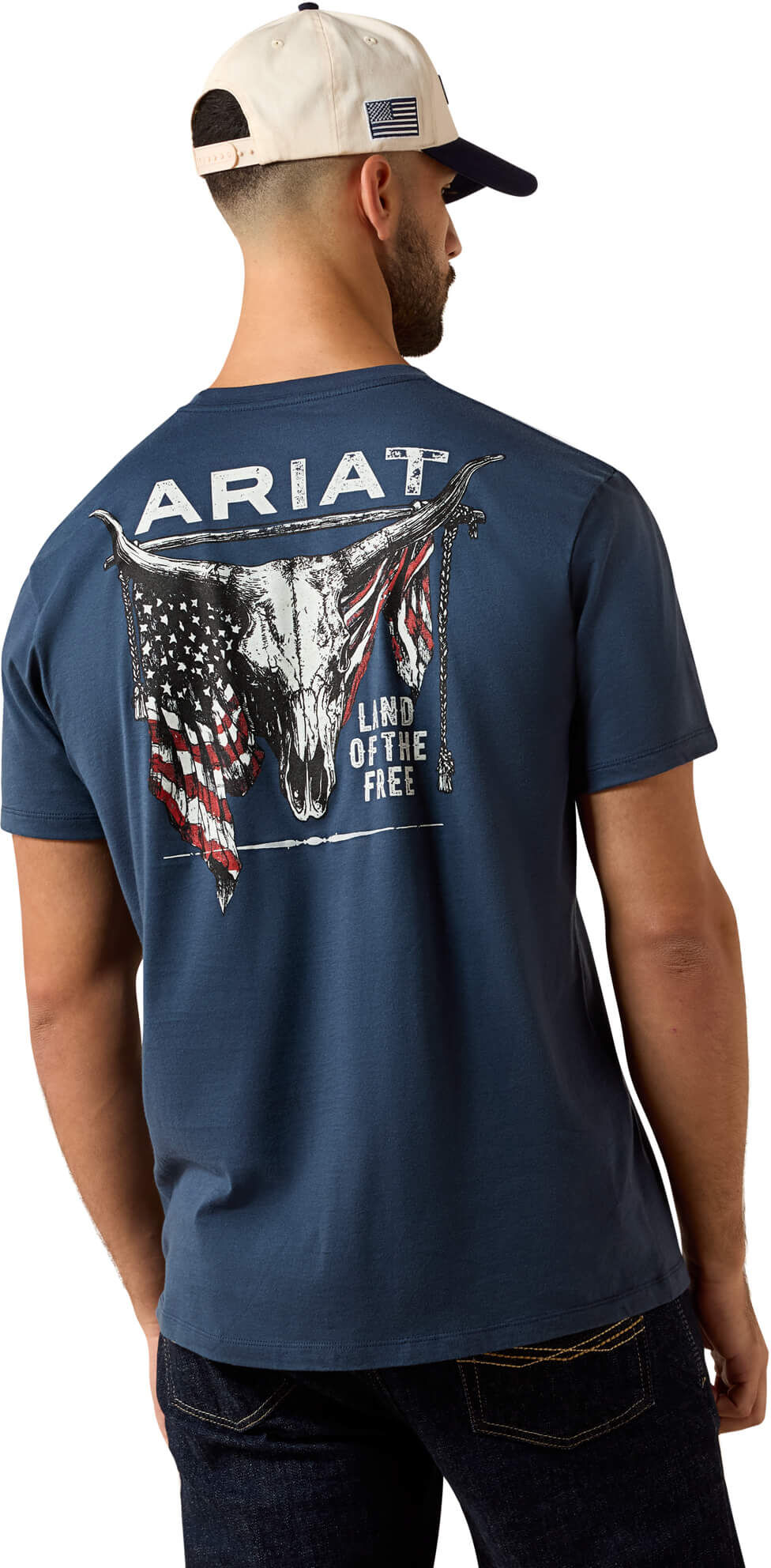

-
Do courage and bravery mean the same thing in Japanese?
In Japanese, courage and bravery are often used interchangeably, and both are translated as "勇気" (yuuki). This term encompasses the idea of both courage and bravery, and is used to describe the quality of being brave in the face of fear or adversity. While there may be subtle differences in the nuances of the two words in English, in Japanese they are often considered to have a similar meaning. **
-
Why is the center of bravery not the same for every person, but individually determined?
The center of bravery is not the same for every person because bravery is a subjective concept that is influenced by individual experiences, beliefs, and values. What one person may consider brave, another may not. Each person's unique life experiences and personal values shape their perception of what it means to be brave, and therefore their center of bravery is individually determined. Additionally, people have different fears and challenges that they must overcome, which further contributes to the individual nature of bravery. **
-
Was the Valkyrie considered more as a man than a woman, especially because of her bravery?
The Valkyrie was not considered more as a man than a woman because of her bravery. In Norse mythology, the Valkyries were female figures who were known for their bravery and ferocity in battle. They were often depicted as powerful and fearless warriors who chose the bravest of fallen warriors to take to Valhalla. Their gender did not diminish their reputation for bravery, and they were revered for their strength and courage regardless of their gender. **
-
What is the difference between apres and apres que?
The main difference between "après" and "après que" is that "après" is a preposition that means "after," while "après que" is a conjunction that means "after" or "after that." "Après" is used to indicate a time relationship between two events or actions, while "après que" is used to introduce a subordinate clause that expresses an action that occurs after another action. For example, "Je suis rentré après le dîner" means "I came back after dinner," while "Je suis rentré après que le dîner était fini" means "I came back after dinner was finished." **


Do mountain troops exist without skiing skills?
While skiing skills are often associated with mountain troops due to the terrain they operate in, it is not a requirement for all mountain troops. Mountain troops can still exist and be effective in rugged, high-altitude environments without skiing skills. They may utilize other methods of mobility such as snowshoeing, climbing, or hiking to navigate the challenging terrain. Ultimately, the specific skills and training required for mountain troops will depend on the specific needs and conditions of their operational environment. **
Are medium mountain ranges higher than the Alpine foothills?
No, medium mountain ranges are typically lower in elevation than the Alpine foothills. The Alpine foothills are located at the base of the Alps, which are some of the highest mountains in Europe. Medium mountain ranges, on the other hand, are generally lower in elevation and do not reach the heights of the Alps or their foothills. **
Top-Angebote
Products related to Bravery:
-
What does bravery mean?
Bravery means having the courage to face difficult or dangerous situations without being overcome by fear. It involves taking risks and standing up for what is right, even in the face of adversity. Bravery can manifest in various forms, such as speaking out against injustice, confronting personal fears, or taking on challenges that others may shy away from. Ultimately, bravery is about showing strength and resilience in the face of adversity. **
-
Why does Cloelia prove bravery?
Cloelia proves bravery because she is willing to risk her own safety in order to escape captivity and return to her homeland. Despite being held hostage by the Etruscans, she seizes an opportunity to escape and leads a group of young women to swim across the Tiber River to freedom. Her determination and courage in the face of danger demonstrate her strong sense of loyalty to her people and her willingness to take action in order to protect them. **
-
Do courage and bravery mean the same thing in Japanese?
In Japanese, courage and bravery are often used interchangeably, and both are translated as "勇気" (yuuki). This term encompasses the idea of both courage and bravery, and is used to describe the quality of being brave in the face of fear or adversity. While there may be subtle differences in the nuances of the two words in English, in Japanese they are often considered to have a similar meaning. **
-
Why is the center of bravery not the same for every person, but individually determined?
The center of bravery is not the same for every person because bravery is a subjective concept that is influenced by individual experiences, beliefs, and values. What one person may consider brave, another may not. Each person's unique life experiences and personal values shape their perception of what it means to be brave, and therefore their center of bravery is individually determined. Additionally, people have different fears and challenges that they must overcome, which further contributes to the individual nature of bravery. **
Similar search terms for Bravery
-
Women's Apres Ski Beanie Hat in Olive Green by AriatAdd equestrian style to your après-anything look. We paired the just-right warmth of soft knit fabric with bold Ariat branding and a classic pom you'll love. Apres Ski Beanie Women's Apres Ski Beanie Hat in Olive Green by Ariat34,95 $*Shipping: 0,00 $Secure redirect to the provider
-
Women's Apres Ski Beanie Hat in Off White by AriatAdd equestrian style to your après-anything look. We paired the just-right warmth of soft knit fabric with bold Ariat branding and a classic pom you'll love. Apres Ski Beanie Women's Apres Ski Beanie Hat in Off White by Ariat34,95 $*Shipping: 0,00 $Secure redirect to the provider
-
Was the Valkyrie considered more as a man than a woman, especially because of her bravery?
The Valkyrie was not considered more as a man than a woman because of her bravery. In Norse mythology, the Valkyries were female figures who were known for their bravery and ferocity in battle. They were often depicted as powerful and fearless warriors who chose the bravest of fallen warriors to take to Valhalla. Their gender did not diminish their reputation for bravery, and they were revered for their strength and courage regardless of their gender. **
-
What is the difference between apres and apres que?
The main difference between "après" and "après que" is that "après" is a preposition that means "after," while "après que" is a conjunction that means "after" or "after that." "Après" is used to indicate a time relationship between two events or actions, while "après que" is used to introduce a subordinate clause that expresses an action that occurs after another action. For example, "Je suis rentré après le dîner" means "I came back after dinner," while "Je suis rentré après que le dîner était fini" means "I came back after dinner was finished." **
-
Do mountain troops exist without skiing skills?
While skiing skills are often associated with mountain troops due to the terrain they operate in, it is not a requirement for all mountain troops. Mountain troops can still exist and be effective in rugged, high-altitude environments without skiing skills. They may utilize other methods of mobility such as snowshoeing, climbing, or hiking to navigate the challenging terrain. Ultimately, the specific skills and training required for mountain troops will depend on the specific needs and conditions of their operational environment. **
-
Are medium mountain ranges higher than the Alpine foothills?
No, medium mountain ranges are typically lower in elevation than the Alpine foothills. The Alpine foothills are located at the base of the Alps, which are some of the highest mountains in Europe. Medium mountain ranges, on the other hand, are generally lower in elevation and do not reach the heights of the Alps or their foothills. **
* All prices are inclusive of VAT and, if applicable, plus shipping costs. The offer information is based on the details provided by the respective shop and is updated through automated processes. Real-time updates do not occur, so deviations can occur in individual cases. ** Note: Parts of this content were created by AI.