Buy ingasalpinetavern.com ?
We are moving the project
ingasalpinetavern.com .
Are you interested in purchasing the domain
ingasalpinetavern.com ?
domain@kv-gmbh.de · 0541-91531010
Buy ingasalpinetavern.com ?
What is reactivity?
Reactivity refers to how likely a substance is to undergo a chemical reaction. Highly reactive substances are more likely to react with other substances, while less reactive substances are more stable and less likely to undergo reactions. Reactivity is influenced by factors such as the arrangement of electrons in an atom or molecule, the presence of functional groups, and the chemical environment in which the substance is placed. Understanding the reactivity of a substance is important in predicting its behavior in various chemical reactions. **
What is reactivity in elimination?
Reactivity in elimination refers to the relative ease with which a particular substrate undergoes elimination reaction. Substrates with more reactive leaving groups or more substituted carbons are generally more reactive in elimination reactions. Reactivity can also be influenced by the nature of the base or catalyst used in the elimination reaction. Understanding the reactivity of a substrate is important for predicting and controlling the outcome of elimination reactions. **


Similar search terms for Reactivity
Top-Angebote
Products related to Reactivity:
-
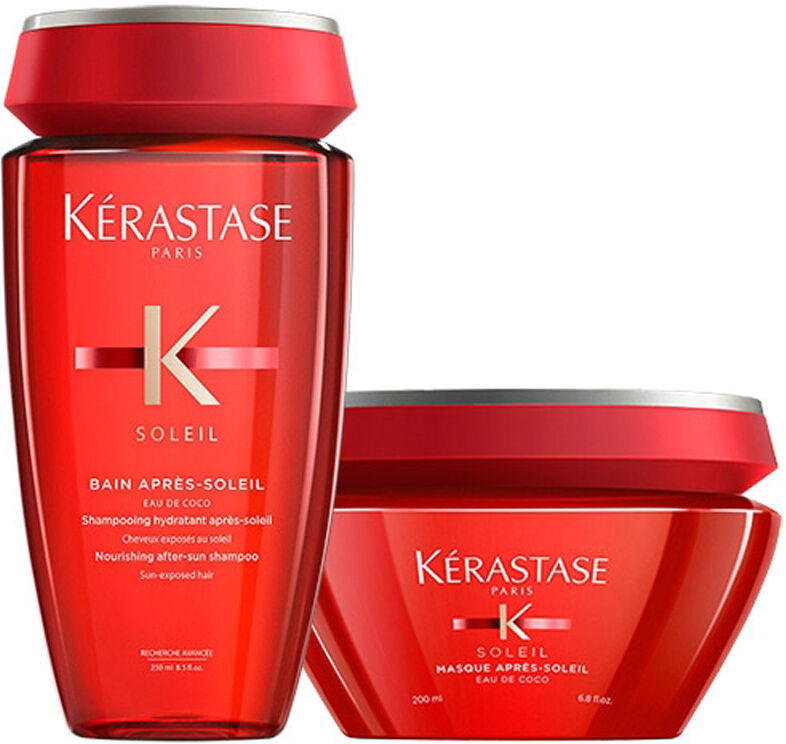
Kérastase Soleil Bain Aprés-Soleil 250ml and Masque Apres-Soleil 200Kérastase Soleil Bain Apres-Soleil is suitable for all sensitivities of hair. The gentle hair bath works to eliminate the build-up of protection products, sand and salt from the scalp and hair. The result is softer, supple and radiant hair which lasts for longer. The Kérastase Soleil Aprés-Soleil Masque contains a Photo-Defense Filter that gives constant protection against both UVA and UVB rays whilst Cationic Silicone strengthens and reinforces the hair.55,50 £*Shipping: 0,00 £Secure redirect to the provider
-
Novica Handmade Memories From The Tavern Wood And Stainless Steel Beer MugRevive old memories with friends with this elegant beer mug crafted by artisan Carlos Torres in Mexico. Working with oak barrel staves, Carlos creates a sturdy accessory with a classical vibe, enhanced by a stainless steel coat for a refreshing drink.113,98 $*Shipping: 0,00 $Secure redirect to the provider
-
Alpine Reindeer - Fawn - Ballard DesignsOur graceful Alpine Reindeer were inspired by antiques we found on a European treasure hunt. Each charming figure is hand sculpted of outdoor-safe materials to create the weathered stone texture and finished in snowy bisque white to stand out in...127,20 $*Shipping: 179,00 $Secure redirect to the provider



-
What is reactivity in chemistry?
Reactivity in chemistry refers to the tendency of a substance to undergo chemical reactions with other substances. This can be influenced by factors such as the arrangement of electrons in the atoms, the presence of functional groups, and the stability of the resulting products. Highly reactive substances are more likely to participate in chemical reactions, while less reactive substances are more stable and less likely to undergo reactions. Understanding reactivity is important in predicting how substances will behave in various chemical processes and reactions. **
-
Why do alkenes and alkynes have a high reactivity? Why is the reactivity of alkenes greater than that of alkanes and the reactivity of alkynes the greatest?
Alkenes and alkynes have high reactivity due to the presence of pi bonds, which are more easily broken than the sigma bonds found in alkanes. The pi bonds in alkenes and alkynes are more exposed and less stable, making them more susceptible to reactions. The reactivity of alkenes is greater than that of alkanes because they have one or more pi bonds, which provide more opportunities for chemical reactions. Similarly, alkynes have the greatest reactivity because they have two pi bonds, making them even more susceptible to reactions than alkenes. **
-
What is the reactivity of alkenes and alkynes?
Alkenes and alkynes are more reactive than alkanes due to the presence of pi bonds in their structures. The pi bonds allow for the addition of atoms or groups to the carbon-carbon double or triple bond, making them susceptible to various types of reactions such as addition reactions. Alkynes are generally more reactive than alkenes due to the presence of a triple bond, which provides more opportunities for reactions to occur. Overall, the reactivity of alkenes and alkynes makes them important building blocks in organic chemistry for synthesizing a wide range of compounds. **
-
What is the reactivity of the main groups?
The reactivity of the main groups in the periodic table varies depending on the specific group. Generally, the alkali metals in Group 1 are highly reactive, readily forming ionic compounds with nonmetals. The alkaline earth metals in Group 2 are also reactive, but less so than the alkali metals. The halogens in Group 17 are highly reactive nonmetals, readily forming compounds with metals. The noble gases in Group 18 are generally unreactive due to their full outer electron shells. Overall, reactivity tends to increase going down a group and decrease going across a period from left to right. **


What is the reactivity of alkanes and alkenes?
Alkanes are relatively unreactive due to the presence of only single bonds between carbon atoms, which makes them stable and inert under most conditions. On the other hand, alkenes are more reactive than alkanes due to the presence of a double bond, which can undergo addition reactions with various reagents. This double bond provides alkenes with the ability to participate in a wide range of chemical reactions, making them more versatile in organic synthesis compared to alkanes. **
What is the reactivity series of metals in chemistry?
The reactivity series of metals is a list of metals arranged in order of their reactivity, from the most reactive to the least reactive. This series helps predict how metals will react with other substances, such as acids or water. Metals higher in the reactivity series will displace metals lower in the series from their compounds in reactions. The reactivity series is a fundamental concept in chemistry that helps understand the behavior of metals in various chemical reactions. **
Top-Angebote
Products related to Reactivity:
-
Women's Apres Ski Beanie Hat in Olive Green by AriatAdd equestrian style to your après-anything look. We paired the just-right warmth of soft knit fabric with bold Ariat branding and a classic pom you'll love. Apres Ski Beanie Women's Apres Ski Beanie Hat in Olive Green by Ariat34,95 $*Shipping: 0,00 $Secure redirect to the provider
-
Women's Apres Ski Beanie Hat in Off White by AriatAdd equestrian style to your après-anything look. We paired the just-right warmth of soft knit fabric with bold Ariat branding and a classic pom you'll love. Apres Ski Beanie Women's Apres Ski Beanie Hat in Off White by Ariat34,95 $*Shipping: 0,00 $Secure redirect to the provider
-
Kérastase Soleil Bain Aprés-Soleil 250ml and Masque Apres-Soleil 200Kérastase Soleil Bain Apres-Soleil is suitable for all sensitivities of hair. The gentle hair bath works to eliminate the build-up of protection products, sand and salt from the scalp and hair. The result is softer, supple and radiant hair which lasts for longer. The Kérastase Soleil Aprés-Soleil Masque contains a Photo-Defense Filter that gives constant protection against both UVA and UVB rays whilst Cationic Silicone strengthens and reinforces the hair.55,50 £*Shipping: 0,00 £Secure redirect to the provider
-
Novica Handmade Memories From The Tavern Wood And Stainless Steel Beer MugRevive old memories with friends with this elegant beer mug crafted by artisan Carlos Torres in Mexico. Working with oak barrel staves, Carlos creates a sturdy accessory with a classical vibe, enhanced by a stainless steel coat for a refreshing drink.113,98 $*Shipping: 0,00 $Secure redirect to the provider
-
What is reactivity?
Reactivity refers to how likely a substance is to undergo a chemical reaction. Highly reactive substances are more likely to react with other substances, while less reactive substances are more stable and less likely to undergo reactions. Reactivity is influenced by factors such as the arrangement of electrons in an atom or molecule, the presence of functional groups, and the chemical environment in which the substance is placed. Understanding the reactivity of a substance is important in predicting its behavior in various chemical reactions. **
-
What is reactivity in elimination?
Reactivity in elimination refers to the relative ease with which a particular substrate undergoes elimination reaction. Substrates with more reactive leaving groups or more substituted carbons are generally more reactive in elimination reactions. Reactivity can also be influenced by the nature of the base or catalyst used in the elimination reaction. Understanding the reactivity of a substrate is important for predicting and controlling the outcome of elimination reactions. **
-
What is reactivity in chemistry?
Reactivity in chemistry refers to the tendency of a substance to undergo chemical reactions with other substances. This can be influenced by factors such as the arrangement of electrons in the atoms, the presence of functional groups, and the stability of the resulting products. Highly reactive substances are more likely to participate in chemical reactions, while less reactive substances are more stable and less likely to undergo reactions. Understanding reactivity is important in predicting how substances will behave in various chemical processes and reactions. **
-
Why do alkenes and alkynes have a high reactivity? Why is the reactivity of alkenes greater than that of alkanes and the reactivity of alkynes the greatest?
Alkenes and alkynes have high reactivity due to the presence of pi bonds, which are more easily broken than the sigma bonds found in alkanes. The pi bonds in alkenes and alkynes are more exposed and less stable, making them more susceptible to reactions. The reactivity of alkenes is greater than that of alkanes because they have one or more pi bonds, which provide more opportunities for chemical reactions. Similarly, alkynes have the greatest reactivity because they have two pi bonds, making them even more susceptible to reactions than alkenes. **
Similar search terms for Reactivity
-
Alpine Reindeer - Fawn - Ballard DesignsOur graceful Alpine Reindeer were inspired by antiques we found on a European treasure hunt. Each charming figure is hand sculpted of outdoor-safe materials to create the weathered stone texture and finished in snowy bisque white to stand out in...127,20 $*Shipping: 179,00 $Secure redirect to the provider
-
Kérastase Soleil Bain Aprés-Soleil 250ml and Masque Apres-Soleil 200Kérastase Soleil Bain Apres-Soleil is suitable for all sensitivities of hair. The gentle hair bath works to eliminate the build-up of protection products, sand and salt from the scalp and hair. The result is softer, supple and radiant hair which lasts for longer. The Kérastase Soleil Aprés-Soleil Masque contains a Photo-Defense Filter that gives constant protection against both UVA and UVB rays whilst Cationic Silicone strengthens and reinforces the hair.55,50 £*Shipping: 0,00 £Secure redirect to the provider
-
What is the reactivity of alkenes and alkynes?
Alkenes and alkynes are more reactive than alkanes due to the presence of pi bonds in their structures. The pi bonds allow for the addition of atoms or groups to the carbon-carbon double or triple bond, making them susceptible to various types of reactions such as addition reactions. Alkynes are generally more reactive than alkenes due to the presence of a triple bond, which provides more opportunities for reactions to occur. Overall, the reactivity of alkenes and alkynes makes them important building blocks in organic chemistry for synthesizing a wide range of compounds. **
-
What is the reactivity of the main groups?
The reactivity of the main groups in the periodic table varies depending on the specific group. Generally, the alkali metals in Group 1 are highly reactive, readily forming ionic compounds with nonmetals. The alkaline earth metals in Group 2 are also reactive, but less so than the alkali metals. The halogens in Group 17 are highly reactive nonmetals, readily forming compounds with metals. The noble gases in Group 18 are generally unreactive due to their full outer electron shells. Overall, reactivity tends to increase going down a group and decrease going across a period from left to right. **
-
What is the reactivity of alkanes and alkenes?
Alkanes are relatively unreactive due to the presence of only single bonds between carbon atoms, which makes them stable and inert under most conditions. On the other hand, alkenes are more reactive than alkanes due to the presence of a double bond, which can undergo addition reactions with various reagents. This double bond provides alkenes with the ability to participate in a wide range of chemical reactions, making them more versatile in organic synthesis compared to alkanes. **
-
What is the reactivity series of metals in chemistry?
The reactivity series of metals is a list of metals arranged in order of their reactivity, from the most reactive to the least reactive. This series helps predict how metals will react with other substances, such as acids or water. Metals higher in the reactivity series will displace metals lower in the series from their compounds in reactions. The reactivity series is a fundamental concept in chemistry that helps understand the behavior of metals in various chemical reactions. **
* All prices are inclusive of VAT and, if applicable, plus shipping costs. The offer information is based on the details provided by the respective shop and is updated through automated processes. Real-time updates do not occur, so deviations can occur in individual cases. ** Note: Parts of this content were created by AI.