Buy ingasalpinetavern.com ?
We are moving the project
ingasalpinetavern.com .
Are you interested in purchasing the domain
ingasalpinetavern.com ?
domain@kv-gmbh.de · 0541-91531010
Buy ingasalpinetavern.com ?
What is the actual difference between catalytic specificity and substrate specificity in enzymes?
Catalytic specificity refers to the ability of an enzyme to catalyze a specific chemical reaction, while substrate specificity refers to the ability of an enzyme to bind to a specific substrate. In other words, catalytic specificity is about the type of reaction that an enzyme can catalyze, while substrate specificity is about the specific molecule that an enzyme can bind to and act upon. Enzymes can have different levels of specificity for both their catalytic activity and their substrate binding, which allows them to carry out specific functions in the cell. **
What are substrate specificity and activity specificity using the example of restriction enzymes?
Substrate specificity refers to the ability of an enzyme to recognize and bind to a specific substrate molecule. In the case of restriction enzymes, they have substrate specificity for particular DNA sequences, known as recognition sites. For example, the restriction enzyme EcoRI recognizes and binds to the DNA sequence GAATTC. Activity specificity, on the other hand, refers to the specific chemical reaction that an enzyme catalyzes. In the case of restriction enzymes, their activity specificity is to cleave the DNA at specific recognition sites. For example, EcoRI cleaves the DNA at the GAATTC sequence. In summary, substrate specificity refers to the ability of an enzyme to recognize and bind to a specific substrate molecule, while activity specificity refers to the specific chemical reaction that the enzyme catalyzes. In the case of restriction enzymes, they have substrate specificity for specific DNA sequences and activity specificity to cleave the DNA at those sequences. **


Similar search terms for Specificity
Top-Angebote
Products related to Specificity:
-
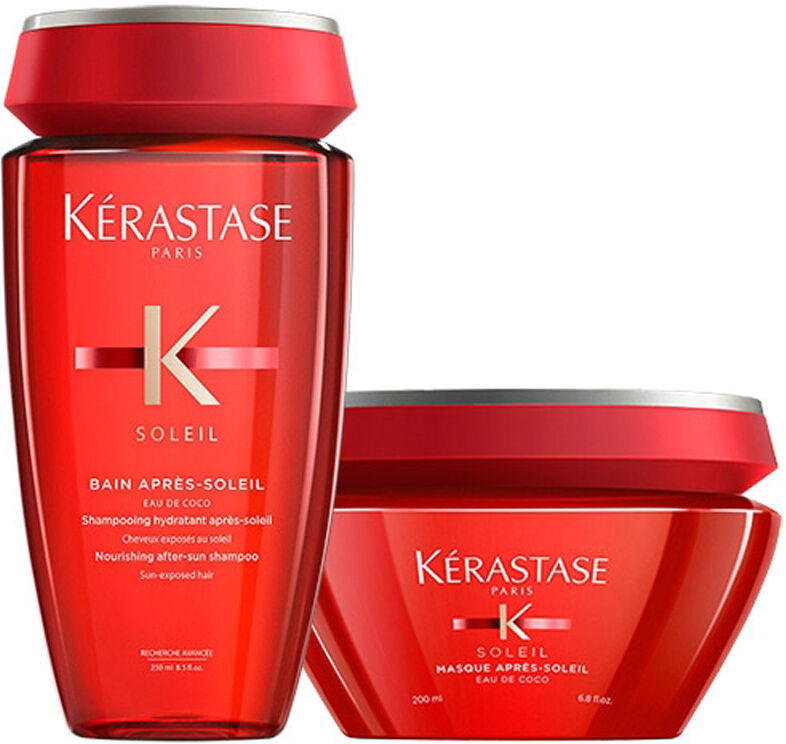
Kérastase Soleil Bain Aprés-Soleil 250ml and Masque Apres-Soleil 200Kérastase Soleil Bain Apres-Soleil is suitable for all sensitivities of hair. The gentle hair bath works to eliminate the build-up of protection products, sand and salt from the scalp and hair. The result is softer, supple and radiant hair which lasts for longer. The Kérastase Soleil Aprés-Soleil Masque contains a Photo-Defense Filter that gives constant protection against both UVA and UVB rays whilst Cationic Silicone strengthens and reinforces the hair.55,50 £*Shipping: 0,00 £Secure redirect to the provider
-
Novica Handmade Memories From The Tavern Wood And Stainless Steel Beer MugRevive old memories with friends with this elegant beer mug crafted by artisan Carlos Torres in Mexico. Working with oak barrel staves, Carlos creates a sturdy accessory with a classical vibe, enhanced by a stainless steel coat for a refreshing drink.113,98 $*Shipping: 0,00 $Secure redirect to the provider
-
Alpine Reindeer - Fawn - Ballard DesignsOur graceful Alpine Reindeer were inspired by antiques we found on a European treasure hunt. Each charming figure is hand sculpted of outdoor-safe materials to create the weathered stone texture and finished in snowy bisque white to stand out in...127,20 $*Shipping: 179,00 $Secure redirect to the provider




-
What is the substrate specificity of enzymes?
The substrate specificity of enzymes refers to the ability of an enzyme to recognize and bind to a specific substrate molecule. Enzymes are highly specific in their interactions with substrates, as they have active sites that are uniquely shaped to accommodate specific substrates. This specificity ensures that enzymes only catalyze specific reactions and do not interact with other molecules in the cell. Substrate specificity is crucial for the efficiency and regulation of biochemical reactions in living organisms. **
-
What is the biosubstrate specificity of bonds?
The biosubstrate specificity of bonds refers to the ability of enzymes to selectively bind to specific substrates and catalyze specific chemical reactions. Enzymes have specific active sites that are complementary to the shape and chemical properties of their substrates, allowing them to form temporary bonds and facilitate the conversion of substrates into products. This specificity is crucial for the regulation of biochemical pathways and the overall functioning of biological systems. It ensures that the right reactions occur at the right time and in the right place within the cell. **
-
What is the group specificity of enzymes?
Group specificity of enzymes refers to the ability of an enzyme to act on a specific functional group within a substrate molecule. This means that the enzyme can only catalyze a reaction involving a particular functional group, such as an alcohol or an amine. Enzymes with group specificity are highly selective and only interact with substrates that contain the specific functional group that they are designed to act upon. This specificity is important for the regulation and control of biochemical pathways in living organisms. **
-
What does the term cell type specificity mean?
Cell type specificity refers to the unique characteristics and functions of a particular type of cell within an organism. It means that certain cells are specialized to perform specific tasks or functions within the body, and they have distinct molecular and structural features that enable them to carry out these functions. This specificity allows for the coordination and regulation of various physiological processes within the organism, as different cell types can perform their specialized roles in a coordinated manner. Understanding cell type specificity is important for studying the development, function, and dysfunction of different tissues and organs in the body. **

What is the specificity of enzymes on substrates?
Enzymes are highly specific in their interactions with substrates, meaning that each enzyme typically catalyzes a specific chemical reaction with a specific substrate. This specificity is due to the unique three-dimensional shape of the enzyme's active site, which is complementary to the shape and chemical properties of its specific substrate. The enzyme-substrate interaction is often compared to a lock and key, where the enzyme (lock) can only bind to its specific substrate (key) due to their precise matching shapes and chemical properties. This specificity ensures that enzymes can efficiently catalyze specific reactions without interfering with other cellular processes. **
Could you please provide an urgent answer regarding specificity of effect?
Specificity of effect refers to the idea that a particular intervention or treatment has a targeted and precise impact on a specific outcome or condition, without affecting other unrelated factors. It is crucial to consider when evaluating the effectiveness of a treatment or intervention, as it helps determine whether the observed changes are directly linked to the intervention or if they could be influenced by other variables. Understanding the specificity of effect can help researchers and practitioners make informed decisions about the most appropriate course of action for addressing a particular issue. **
Top-Angebote
Products related to Specificity:
-
Women's Apres Ski Beanie Hat in Olive Green by AriatAdd equestrian style to your après-anything look. We paired the just-right warmth of soft knit fabric with bold Ariat branding and a classic pom you'll love. Apres Ski Beanie Women's Apres Ski Beanie Hat in Olive Green by Ariat34,95 $*Shipping: 0,00 $Secure redirect to the provider
-
Women's Apres Ski Beanie Hat in Off White by AriatAdd equestrian style to your après-anything look. We paired the just-right warmth of soft knit fabric with bold Ariat branding and a classic pom you'll love. Apres Ski Beanie Women's Apres Ski Beanie Hat in Off White by Ariat34,95 $*Shipping: 0,00 $Secure redirect to the provider
-
Kérastase Soleil Bain Aprés-Soleil 250ml and Masque Apres-Soleil 200Kérastase Soleil Bain Apres-Soleil is suitable for all sensitivities of hair. The gentle hair bath works to eliminate the build-up of protection products, sand and salt from the scalp and hair. The result is softer, supple and radiant hair which lasts for longer. The Kérastase Soleil Aprés-Soleil Masque contains a Photo-Defense Filter that gives constant protection against both UVA and UVB rays whilst Cationic Silicone strengthens and reinforces the hair.55,50 £*Shipping: 0,00 £Secure redirect to the provider
-
Novica Handmade Memories From The Tavern Wood And Stainless Steel Beer MugRevive old memories with friends with this elegant beer mug crafted by artisan Carlos Torres in Mexico. Working with oak barrel staves, Carlos creates a sturdy accessory with a classical vibe, enhanced by a stainless steel coat for a refreshing drink.113,98 $*Shipping: 0,00 $Secure redirect to the provider
-
What is the actual difference between catalytic specificity and substrate specificity in enzymes?
Catalytic specificity refers to the ability of an enzyme to catalyze a specific chemical reaction, while substrate specificity refers to the ability of an enzyme to bind to a specific substrate. In other words, catalytic specificity is about the type of reaction that an enzyme can catalyze, while substrate specificity is about the specific molecule that an enzyme can bind to and act upon. Enzymes can have different levels of specificity for both their catalytic activity and their substrate binding, which allows them to carry out specific functions in the cell. **
-
What are substrate specificity and activity specificity using the example of restriction enzymes?
Substrate specificity refers to the ability of an enzyme to recognize and bind to a specific substrate molecule. In the case of restriction enzymes, they have substrate specificity for particular DNA sequences, known as recognition sites. For example, the restriction enzyme EcoRI recognizes and binds to the DNA sequence GAATTC. Activity specificity, on the other hand, refers to the specific chemical reaction that an enzyme catalyzes. In the case of restriction enzymes, their activity specificity is to cleave the DNA at specific recognition sites. For example, EcoRI cleaves the DNA at the GAATTC sequence. In summary, substrate specificity refers to the ability of an enzyme to recognize and bind to a specific substrate molecule, while activity specificity refers to the specific chemical reaction that the enzyme catalyzes. In the case of restriction enzymes, they have substrate specificity for specific DNA sequences and activity specificity to cleave the DNA at those sequences. **
-
What is the substrate specificity of enzymes?
The substrate specificity of enzymes refers to the ability of an enzyme to recognize and bind to a specific substrate molecule. Enzymes are highly specific in their interactions with substrates, as they have active sites that are uniquely shaped to accommodate specific substrates. This specificity ensures that enzymes only catalyze specific reactions and do not interact with other molecules in the cell. Substrate specificity is crucial for the efficiency and regulation of biochemical reactions in living organisms. **
-
What is the biosubstrate specificity of bonds?
The biosubstrate specificity of bonds refers to the ability of enzymes to selectively bind to specific substrates and catalyze specific chemical reactions. Enzymes have specific active sites that are complementary to the shape and chemical properties of their substrates, allowing them to form temporary bonds and facilitate the conversion of substrates into products. This specificity is crucial for the regulation of biochemical pathways and the overall functioning of biological systems. It ensures that the right reactions occur at the right time and in the right place within the cell. **
Similar search terms for Specificity
-
Alpine Reindeer - Fawn - Ballard DesignsOur graceful Alpine Reindeer were inspired by antiques we found on a European treasure hunt. Each charming figure is hand sculpted of outdoor-safe materials to create the weathered stone texture and finished in snowy bisque white to stand out in...127,20 $*Shipping: 179,00 $Secure redirect to the provider
-
Kérastase Soleil Bain Aprés-Soleil 250ml and Masque Apres-Soleil 200Kérastase Soleil Bain Apres-Soleil is suitable for all sensitivities of hair. The gentle hair bath works to eliminate the build-up of protection products, sand and salt from the scalp and hair. The result is softer, supple and radiant hair which lasts for longer. The Kérastase Soleil Aprés-Soleil Masque contains a Photo-Defense Filter that gives constant protection against both UVA and UVB rays whilst Cationic Silicone strengthens and reinforces the hair.55,50 £*Shipping: 0,00 £Secure redirect to the provider
-
What is the group specificity of enzymes?
Group specificity of enzymes refers to the ability of an enzyme to act on a specific functional group within a substrate molecule. This means that the enzyme can only catalyze a reaction involving a particular functional group, such as an alcohol or an amine. Enzymes with group specificity are highly selective and only interact with substrates that contain the specific functional group that they are designed to act upon. This specificity is important for the regulation and control of biochemical pathways in living organisms. **
-
What does the term cell type specificity mean?
Cell type specificity refers to the unique characteristics and functions of a particular type of cell within an organism. It means that certain cells are specialized to perform specific tasks or functions within the body, and they have distinct molecular and structural features that enable them to carry out these functions. This specificity allows for the coordination and regulation of various physiological processes within the organism, as different cell types can perform their specialized roles in a coordinated manner. Understanding cell type specificity is important for studying the development, function, and dysfunction of different tissues and organs in the body. **
-
What is the specificity of enzymes on substrates?
Enzymes are highly specific in their interactions with substrates, meaning that each enzyme typically catalyzes a specific chemical reaction with a specific substrate. This specificity is due to the unique three-dimensional shape of the enzyme's active site, which is complementary to the shape and chemical properties of its specific substrate. The enzyme-substrate interaction is often compared to a lock and key, where the enzyme (lock) can only bind to its specific substrate (key) due to their precise matching shapes and chemical properties. This specificity ensures that enzymes can efficiently catalyze specific reactions without interfering with other cellular processes. **
-
Could you please provide an urgent answer regarding specificity of effect?
Specificity of effect refers to the idea that a particular intervention or treatment has a targeted and precise impact on a specific outcome or condition, without affecting other unrelated factors. It is crucial to consider when evaluating the effectiveness of a treatment or intervention, as it helps determine whether the observed changes are directly linked to the intervention or if they could be influenced by other variables. Understanding the specificity of effect can help researchers and practitioners make informed decisions about the most appropriate course of action for addressing a particular issue. **
* All prices are inclusive of VAT and, if applicable, plus shipping costs. The offer information is based on the details provided by the respective shop and is updated through automated processes. Real-time updates do not occur, so deviations can occur in individual cases. ** Note: Parts of this content were created by AI.