Buy ingasalpinetavern.com ?
We are moving the project
ingasalpinetavern.com .
Are you interested in purchasing the domain
ingasalpinetavern.com ?
domain@kv-gmbh.de · 0541-91531010
Buy ingasalpinetavern.com ?
What is the hedonistic calculus?
The hedonistic calculus is a method used in utilitarianism to determine the most ethical course of action by calculating the amount of pleasure and pain that will result from a particular decision. It involves weighing the intensity, duration, certainty, propinquity, fecundity, purity, and extent of pleasure or pain that will be produced by an action. By using this calculus, one can determine which action will result in the greatest overall happiness or pleasure for the greatest number of people. **
Is our society too hedonistic?
It is subjective to determine if our society is too hedonistic as it depends on individual perspectives and values. Some may argue that our society places too much emphasis on pleasure-seeking and instant gratification, leading to a lack of focus on long-term goals and values. Others may believe that pursuing happiness and pleasure is a natural part of human existence and should be embraced. Ultimately, finding a balance between enjoying life's pleasures and fulfilling responsibilities is key to a healthy and fulfilling society. **


Similar search terms for Hedonistic
Top-Angebote
Products related to Hedonistic:
-
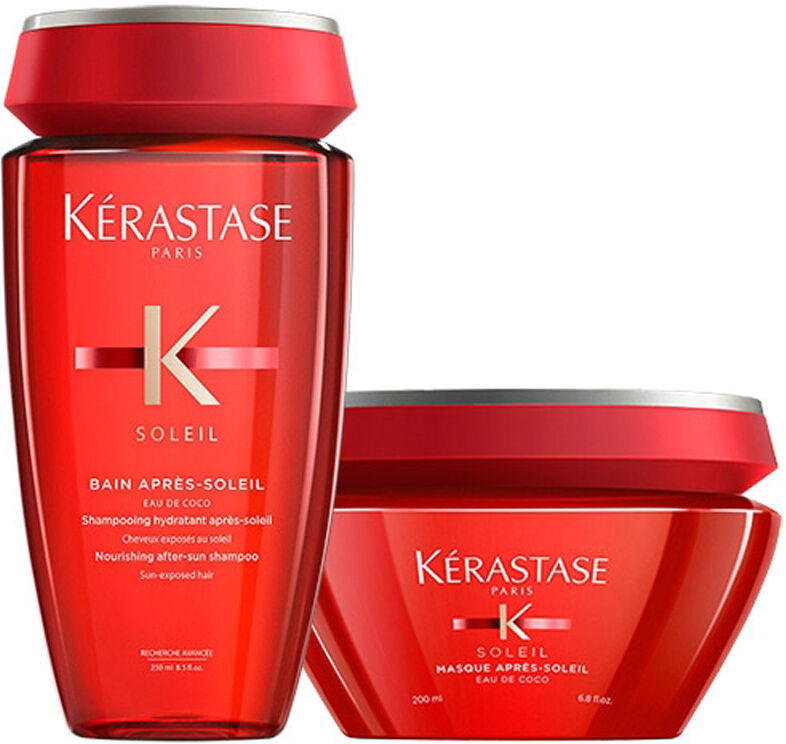
Kérastase Soleil Bain Aprés-Soleil 250ml and Masque Apres-Soleil 200Kérastase Soleil Bain Apres-Soleil is suitable for all sensitivities of hair. The gentle hair bath works to eliminate the build-up of protection products, sand and salt from the scalp and hair. The result is softer, supple and radiant hair which lasts for longer. The Kérastase Soleil Aprés-Soleil Masque contains a Photo-Defense Filter that gives constant protection against both UVA and UVB rays whilst Cationic Silicone strengthens and reinforces the hair.55,50 £*Shipping: 0,00 £Secure redirect to the provider
-
Novica Handmade Memories From The Tavern Wood And Stainless Steel Beer MugRevive old memories with friends with this elegant beer mug crafted by artisan Carlos Torres in Mexico. Working with oak barrel staves, Carlos creates a sturdy accessory with a classical vibe, enhanced by a stainless steel coat for a refreshing drink.113,98 $*Shipping: 0,00 $Secure redirect to the provider
-
Alpine Reindeer - Fawn - Ballard DesignsOur graceful Alpine Reindeer were inspired by antiques we found on a European treasure hunt. Each charming figure is hand sculpted of outdoor-safe materials to create the weathered stone texture and finished in snowy bisque white to stand out in...127,20 $*Shipping: 179,00 $Secure redirect to the provider


-
What is the hedonistic calculus 2?
The hedonistic calculus is a method used in utilitarianism to measure the amount of pleasure or pain generated by a particular action. It involves calculating the intensity, duration, certainty, propinquity, fecundity, purity, and extent of pleasure or pain that will result from the action. By considering these factors, one can determine whether an action will lead to the greatest overall happiness or utility. Hedonistic calculus 2 is an extension of this concept, which may involve additional considerations or refinements to the original calculation method. **
-
How does Bentham's hedonistic calculus work?
Bentham's hedonistic calculus is a method for measuring the amount of pleasure and pain produced by an action in order to determine its moral worth. It involves considering several factors, such as the intensity, duration, certainty, and propinquity of the pleasure or pain, as well as the extent to which it affects others. Each factor is assigned a numerical value, and the overall balance of pleasure versus pain is calculated to determine whether an action is morally right or wrong. This calculation is based on the principle of maximizing pleasure and minimizing pain, known as the principle of utility. **
-
What is an example of hedonistic calculus?
An example of hedonistic calculus is when a person is deciding whether to go out for a night of partying or stay in and study for an important exam. They would weigh the potential pleasure of going out and having fun against the potential pain of doing poorly on the exam. If they believe that the pleasure of going out outweighs the pain of doing poorly on the exam, they may choose to go out. This decision-making process involves calculating the potential pleasure and pain of each option in order to maximize overall happiness or pleasure. **
-
What is the criticism of hedonistic calculus?
The criticism of hedonistic calculus is that it reduces the complexity of human experiences and values to a simple calculation of pleasure and pain. Critics argue that it fails to account for the nuances of different types of pleasure and pain, as well as the subjective nature of individual preferences and values. Additionally, it is criticized for being too focused on the short-term and individualistic aspects of pleasure, neglecting the long-term and communal aspects of well-being. Overall, the criticism is that hedonistic calculus oversimplifies the complexities of human happiness and well-being. **


What are the disadvantages of the hedonistic calculus?
One disadvantage of the hedonistic calculus is that it can be challenging to accurately measure and compare the intensity and duration of different pleasures and pains. Additionally, individuals may have varying preferences and values, making it difficult to apply a universal standard for happiness. The calculus also does not account for the complexity of human emotions and motivations, which can impact the overall assessment of pleasure and pain. **
What is the difference between utilitarianism and hedonistic calculus?
Utilitarianism is a moral theory that focuses on maximizing overall happiness and well-being for the greatest number of people. It considers the consequences of actions and aims to achieve the greatest good for the greatest number. On the other hand, hedonistic calculus is a specific method within utilitarianism that quantifies pleasure and pain to determine the best course of action. It involves weighing the intensity, duration, certainty, and propinquity of pleasure or pain to make decisions that maximize overall happiness. In essence, hedonistic calculus is a tool used within the broader framework of utilitarianism to measure and compare the potential outcomes of different actions. **
Top-Angebote
Products related to Hedonistic:
-
Women's Apres Ski Beanie Hat in Olive Green by AriatAdd equestrian style to your après-anything look. We paired the just-right warmth of soft knit fabric with bold Ariat branding and a classic pom you'll love. Apres Ski Beanie Women's Apres Ski Beanie Hat in Olive Green by Ariat34,95 $*Shipping: 0,00 $Secure redirect to the provider
-
Women's Apres Ski Beanie Hat in Off White by AriatAdd equestrian style to your après-anything look. We paired the just-right warmth of soft knit fabric with bold Ariat branding and a classic pom you'll love. Apres Ski Beanie Women's Apres Ski Beanie Hat in Off White by Ariat34,95 $*Shipping: 0,00 $Secure redirect to the provider
-
Kérastase Soleil Bain Aprés-Soleil 250ml and Masque Apres-Soleil 200Kérastase Soleil Bain Apres-Soleil is suitable for all sensitivities of hair. The gentle hair bath works to eliminate the build-up of protection products, sand and salt from the scalp and hair. The result is softer, supple and radiant hair which lasts for longer. The Kérastase Soleil Aprés-Soleil Masque contains a Photo-Defense Filter that gives constant protection against both UVA and UVB rays whilst Cationic Silicone strengthens and reinforces the hair.55,50 £*Shipping: 0,00 £Secure redirect to the provider
-
Novica Handmade Memories From The Tavern Wood And Stainless Steel Beer MugRevive old memories with friends with this elegant beer mug crafted by artisan Carlos Torres in Mexico. Working with oak barrel staves, Carlos creates a sturdy accessory with a classical vibe, enhanced by a stainless steel coat for a refreshing drink.113,98 $*Shipping: 0,00 $Secure redirect to the provider
-
What is the hedonistic calculus?
The hedonistic calculus is a method used in utilitarianism to determine the most ethical course of action by calculating the amount of pleasure and pain that will result from a particular decision. It involves weighing the intensity, duration, certainty, propinquity, fecundity, purity, and extent of pleasure or pain that will be produced by an action. By using this calculus, one can determine which action will result in the greatest overall happiness or pleasure for the greatest number of people. **
-
Is our society too hedonistic?
It is subjective to determine if our society is too hedonistic as it depends on individual perspectives and values. Some may argue that our society places too much emphasis on pleasure-seeking and instant gratification, leading to a lack of focus on long-term goals and values. Others may believe that pursuing happiness and pleasure is a natural part of human existence and should be embraced. Ultimately, finding a balance between enjoying life's pleasures and fulfilling responsibilities is key to a healthy and fulfilling society. **
-
What is the hedonistic calculus 2?
The hedonistic calculus is a method used in utilitarianism to measure the amount of pleasure or pain generated by a particular action. It involves calculating the intensity, duration, certainty, propinquity, fecundity, purity, and extent of pleasure or pain that will result from the action. By considering these factors, one can determine whether an action will lead to the greatest overall happiness or utility. Hedonistic calculus 2 is an extension of this concept, which may involve additional considerations or refinements to the original calculation method. **
-
How does Bentham's hedonistic calculus work?
Bentham's hedonistic calculus is a method for measuring the amount of pleasure and pain produced by an action in order to determine its moral worth. It involves considering several factors, such as the intensity, duration, certainty, and propinquity of the pleasure or pain, as well as the extent to which it affects others. Each factor is assigned a numerical value, and the overall balance of pleasure versus pain is calculated to determine whether an action is morally right or wrong. This calculation is based on the principle of maximizing pleasure and minimizing pain, known as the principle of utility. **
Similar search terms for Hedonistic
-
Alpine Reindeer - Fawn - Ballard DesignsOur graceful Alpine Reindeer were inspired by antiques we found on a European treasure hunt. Each charming figure is hand sculpted of outdoor-safe materials to create the weathered stone texture and finished in snowy bisque white to stand out in...127,20 $*Shipping: 179,00 $Secure redirect to the provider
-
Kérastase Soleil Bain Aprés-Soleil 250ml and Masque Apres-Soleil 200Kérastase Soleil Bain Apres-Soleil is suitable for all sensitivities of hair. The gentle hair bath works to eliminate the build-up of protection products, sand and salt from the scalp and hair. The result is softer, supple and radiant hair which lasts for longer. The Kérastase Soleil Aprés-Soleil Masque contains a Photo-Defense Filter that gives constant protection against both UVA and UVB rays whilst Cationic Silicone strengthens and reinforces the hair.55,50 £*Shipping: 0,00 £Secure redirect to the provider
-
What is an example of hedonistic calculus?
An example of hedonistic calculus is when a person is deciding whether to go out for a night of partying or stay in and study for an important exam. They would weigh the potential pleasure of going out and having fun against the potential pain of doing poorly on the exam. If they believe that the pleasure of going out outweighs the pain of doing poorly on the exam, they may choose to go out. This decision-making process involves calculating the potential pleasure and pain of each option in order to maximize overall happiness or pleasure. **
-
What is the criticism of hedonistic calculus?
The criticism of hedonistic calculus is that it reduces the complexity of human experiences and values to a simple calculation of pleasure and pain. Critics argue that it fails to account for the nuances of different types of pleasure and pain, as well as the subjective nature of individual preferences and values. Additionally, it is criticized for being too focused on the short-term and individualistic aspects of pleasure, neglecting the long-term and communal aspects of well-being. Overall, the criticism is that hedonistic calculus oversimplifies the complexities of human happiness and well-being. **
-
What are the disadvantages of the hedonistic calculus?
One disadvantage of the hedonistic calculus is that it can be challenging to accurately measure and compare the intensity and duration of different pleasures and pains. Additionally, individuals may have varying preferences and values, making it difficult to apply a universal standard for happiness. The calculus also does not account for the complexity of human emotions and motivations, which can impact the overall assessment of pleasure and pain. **
-
What is the difference between utilitarianism and hedonistic calculus?
Utilitarianism is a moral theory that focuses on maximizing overall happiness and well-being for the greatest number of people. It considers the consequences of actions and aims to achieve the greatest good for the greatest number. On the other hand, hedonistic calculus is a specific method within utilitarianism that quantifies pleasure and pain to determine the best course of action. It involves weighing the intensity, duration, certainty, and propinquity of pleasure or pain to make decisions that maximize overall happiness. In essence, hedonistic calculus is a tool used within the broader framework of utilitarianism to measure and compare the potential outcomes of different actions. **
* All prices are inclusive of VAT and, if applicable, plus shipping costs. The offer information is based on the details provided by the respective shop and is updated through automated processes. Real-time updates do not occur, so deviations can occur in individual cases. ** Note: Parts of this content were created by AI.