Buy ingasalpinetavern.com ?
We are moving the project
ingasalpinetavern.com .
Are you interested in purchasing the domain
ingasalpinetavern.com ?
domain@kv-gmbh.de · 0541-91531010
Buy ingasalpinetavern.com ?
Can one mix the passé composé and the passé simple in a story?
Yes, it is possible to mix the passé composé and the passé simple in a story. The passé composé is commonly used in spoken French and in modern literature to express actions that are completed in the past, while the passé simple is used in formal writing to narrate specific events or actions that occurred in the past. Mixing these two tenses can add complexity and depth to a story, creating a more dynamic and engaging narrative. However, it is important to use them appropriately to maintain coherence and clarity in the storytelling. **
Can you mix the passé composé and the passé simple in a story?
Yes, it is possible to mix the passé composé and the passé simple in a story. The passé composé is commonly used in spoken French to talk about completed actions in the past, while the passé simple is more commonly used in written French to narrate past events. Mixing these two tenses can add complexity and richness to a story, providing a balance between the immediacy of the passé composé and the narrative distance of the passé simple. This combination can create a dynamic and engaging storytelling style. **


Similar search terms for Passé
Top-Angebote
Products related to Passé:
-
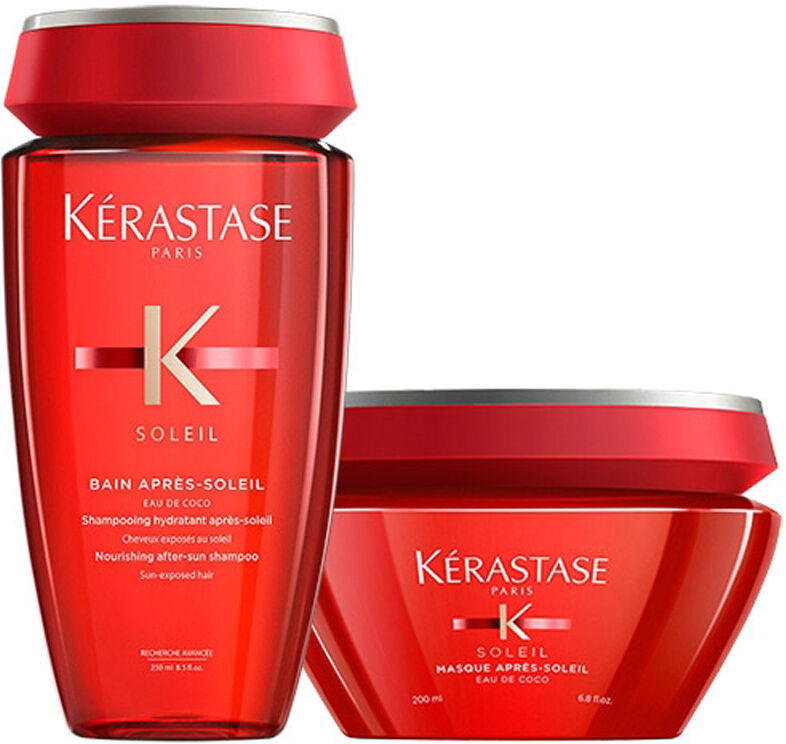
Kérastase Soleil Bain Aprés-Soleil 250ml and Masque Apres-Soleil 200Kérastase Soleil Bain Apres-Soleil is suitable for all sensitivities of hair. The gentle hair bath works to eliminate the build-up of protection products, sand and salt from the scalp and hair. The result is softer, supple and radiant hair which lasts for longer. The Kérastase Soleil Aprés-Soleil Masque contains a Photo-Defense Filter that gives constant protection against both UVA and UVB rays whilst Cationic Silicone strengthens and reinforces the hair.55,50 £*Shipping: 0,00 £Secure redirect to the provider
-
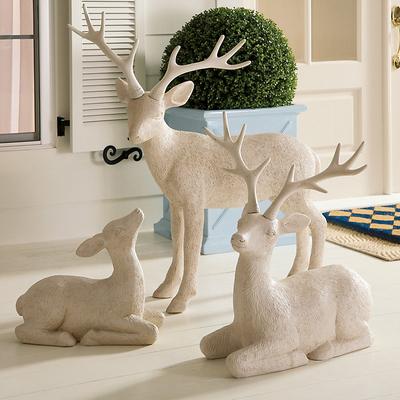
Alpine Reindeer - Fawn - Ballard DesignsOur graceful Alpine Reindeer were inspired by antiques we found on a European treasure hunt. Each charming figure is hand sculpted of outdoor-safe materials to create the weathered stone texture and finished in snowy bisque white to stand out in...127,20 $*Shipping: 179,00 $Secure redirect to the provider
-
Novica Handmade Memories From The Tavern Wood And Stainless Steel Beer MugRevive old memories with friends with this elegant beer mug crafted by artisan Carlos Torres in Mexico. Working with oak barrel staves, Carlos creates a sturdy accessory with a classical vibe, enhanced by a stainless steel coat for a refreshing drink.113,98 $*Shipping: 0,00 $Secure redirect to the provider


-
Imperfect or passé composé when?
The choice between imperfect and passé composé depends on the context and the specific action being described. The imperfect is used to describe ongoing or repeated actions in the past, while the passé composé is used for completed actions. If the action is a one-time event that happened in the past, the passé composé is more appropriate. However, if the action was ongoing or repeated, the imperfect should be used. **
-
What is the difference between the Participe Passé and the Passé Composé in French?
In French, the Participe Passé is a verb form used in compound tenses like the Passé Composé. The Passé Composé is a compound tense that consists of an auxiliary verb (either "avoir" or "être" conjugated in the present tense) followed by the past participle of the main verb. The Participe Passé is the past participle form of a verb, while the Passé Composé is a specific compound tense used to express completed actions in the past. **
-
What is the difference between the participe passé and the passé composé in French?
In French, the participe passé is a verb form used to form compound tenses like the passé composé. The participe passé is the past participle of a verb, while the passé composé is a compound tense formed by using the auxiliary verb "avoir" or "être" in the present tense followed by the past participle of the main verb. Essentially, the participe passé is a component of the passé composé, which is a complete verb form used to express actions that have been completed in the past. **
-
What is the French Passé Composé?
The French Passé Composé is a compound past tense used to talk about completed actions in the past. It is formed by using a helping verb (either "avoir" or "être" conjugated in the present tense) followed by the past participle of the main verb. The choice between "avoir" and "être" as the helping verb depends on the main verb and whether it is transitive or intransitive. The Passé Composé is one of the most commonly used past tenses in French. **

What is the French passé composé?
The French passé composé is a compound past tense used to talk about completed actions in the past. It is formed with the auxiliary verb "avoir" or "être" in the present tense, followed by the past participle of the main verb. The choice between "avoir" and "être" as the auxiliary verb depends on the main verb and whether it is transitive or intransitive. The passé composé is commonly used in spoken and written French to describe specific actions that occurred at a definite point in the past. **
When is the passé composé agreed?
The passé composé is agreed in gender and number with the subject when the auxiliary verb is "être." This means that the past participle must agree with the subject in gender and number. However, when the auxiliary verb is "avoir," the past participle does not agree with the subject. **
Top-Angebote
Products related to Passé:
-
Women's Apres Ski Beanie Hat in Olive Green by AriatAdd equestrian style to your après-anything look. We paired the just-right warmth of soft knit fabric with bold Ariat branding and a classic pom you'll love. Apres Ski Beanie Women's Apres Ski Beanie Hat in Olive Green by Ariat34,95 $*Shipping: 0,00 $Secure redirect to the provider
-
Women's Apres Ski Beanie Hat in Off White by AriatAdd equestrian style to your après-anything look. We paired the just-right warmth of soft knit fabric with bold Ariat branding and a classic pom you'll love. Apres Ski Beanie Women's Apres Ski Beanie Hat in Off White by Ariat34,95 $*Shipping: 0,00 $Secure redirect to the provider
-
Kérastase Soleil Bain Aprés-Soleil 250ml and Masque Apres-Soleil 200Kérastase Soleil Bain Apres-Soleil is suitable for all sensitivities of hair. The gentle hair bath works to eliminate the build-up of protection products, sand and salt from the scalp and hair. The result is softer, supple and radiant hair which lasts for longer. The Kérastase Soleil Aprés-Soleil Masque contains a Photo-Defense Filter that gives constant protection against both UVA and UVB rays whilst Cationic Silicone strengthens and reinforces the hair.55,50 £*Shipping: 0,00 £Secure redirect to the provider
-
Can one mix the passé composé and the passé simple in a story?
Yes, it is possible to mix the passé composé and the passé simple in a story. The passé composé is commonly used in spoken French and in modern literature to express actions that are completed in the past, while the passé simple is used in formal writing to narrate specific events or actions that occurred in the past. Mixing these two tenses can add complexity and depth to a story, creating a more dynamic and engaging narrative. However, it is important to use them appropriately to maintain coherence and clarity in the storytelling. **
-
Can you mix the passé composé and the passé simple in a story?
Yes, it is possible to mix the passé composé and the passé simple in a story. The passé composé is commonly used in spoken French to talk about completed actions in the past, while the passé simple is more commonly used in written French to narrate past events. Mixing these two tenses can add complexity and richness to a story, providing a balance between the immediacy of the passé composé and the narrative distance of the passé simple. This combination can create a dynamic and engaging storytelling style. **
-
Imperfect or passé composé when?
The choice between imperfect and passé composé depends on the context and the specific action being described. The imperfect is used to describe ongoing or repeated actions in the past, while the passé composé is used for completed actions. If the action is a one-time event that happened in the past, the passé composé is more appropriate. However, if the action was ongoing or repeated, the imperfect should be used. **
-
What is the difference between the Participe Passé and the Passé Composé in French?
In French, the Participe Passé is a verb form used in compound tenses like the Passé Composé. The Passé Composé is a compound tense that consists of an auxiliary verb (either "avoir" or "être" conjugated in the present tense) followed by the past participle of the main verb. The Participe Passé is the past participle form of a verb, while the Passé Composé is a specific compound tense used to express completed actions in the past. **
Similar search terms for Passé
-
Alpine Reindeer - Fawn - Ballard DesignsOur graceful Alpine Reindeer were inspired by antiques we found on a European treasure hunt. Each charming figure is hand sculpted of outdoor-safe materials to create the weathered stone texture and finished in snowy bisque white to stand out in...127,20 $*Shipping: 179,00 $Secure redirect to the provider
-
Novica Handmade Memories From The Tavern Wood And Stainless Steel Beer MugRevive old memories with friends with this elegant beer mug crafted by artisan Carlos Torres in Mexico. Working with oak barrel staves, Carlos creates a sturdy accessory with a classical vibe, enhanced by a stainless steel coat for a refreshing drink.113,98 $*Shipping: 0,00 $Secure redirect to the provider
-
Kérastase Soleil Bain Aprés-Soleil 250ml and Masque Apres-Soleil 200Kérastase Soleil Bain Apres-Soleil is suitable for all sensitivities of hair. The gentle hair bath works to eliminate the build-up of protection products, sand and salt from the scalp and hair. The result is softer, supple and radiant hair which lasts for longer. The Kérastase Soleil Aprés-Soleil Masque contains a Photo-Defense Filter that gives constant protection against both UVA and UVB rays whilst Cationic Silicone strengthens and reinforces the hair.51,80 £*Shipping: 0,00 £Secure redirect to the provider
-
What is the difference between the participe passé and the passé composé in French?
In French, the participe passé is a verb form used to form compound tenses like the passé composé. The participe passé is the past participle of a verb, while the passé composé is a compound tense formed by using the auxiliary verb "avoir" or "être" in the present tense followed by the past participle of the main verb. Essentially, the participe passé is a component of the passé composé, which is a complete verb form used to express actions that have been completed in the past. **
-
What is the French Passé Composé?
The French Passé Composé is a compound past tense used to talk about completed actions in the past. It is formed by using a helping verb (either "avoir" or "être" conjugated in the present tense) followed by the past participle of the main verb. The choice between "avoir" and "être" as the helping verb depends on the main verb and whether it is transitive or intransitive. The Passé Composé is one of the most commonly used past tenses in French. **
-
What is the French passé composé?
The French passé composé is a compound past tense used to talk about completed actions in the past. It is formed with the auxiliary verb "avoir" or "être" in the present tense, followed by the past participle of the main verb. The choice between "avoir" and "être" as the auxiliary verb depends on the main verb and whether it is transitive or intransitive. The passé composé is commonly used in spoken and written French to describe specific actions that occurred at a definite point in the past. **
-
When is the passé composé agreed?
The passé composé is agreed in gender and number with the subject when the auxiliary verb is "être." This means that the past participle must agree with the subject in gender and number. However, when the auxiliary verb is "avoir," the past participle does not agree with the subject. **
* All prices are inclusive of VAT and, if applicable, plus shipping costs. The offer information is based on the details provided by the respective shop and is updated through automated processes. Real-time updates do not occur, so deviations can occur in individual cases. ** Note: Parts of this content were created by AI.