Buy ingasalpinetavern.com ?
We are moving the project
ingasalpinetavern.com .
Are you interested in purchasing the domain
ingasalpinetavern.com ?
domain@kv-gmbh.de · 0541-91531010
Buy ingasalpinetavern.com ?
Is it "le présent texte" or "le texte présent"?
The correct phrase is "le texte présent." In French, adjectives generally come after the noun they modify, so "présent" should come after "texte." Therefore, the correct phrase is "le texte présent." **
Does it say "le présent texte" or "le texte présent"?
It says "le présent texte." **


Similar search terms for Présent
Top-Angebote
Products related to Présent:
-
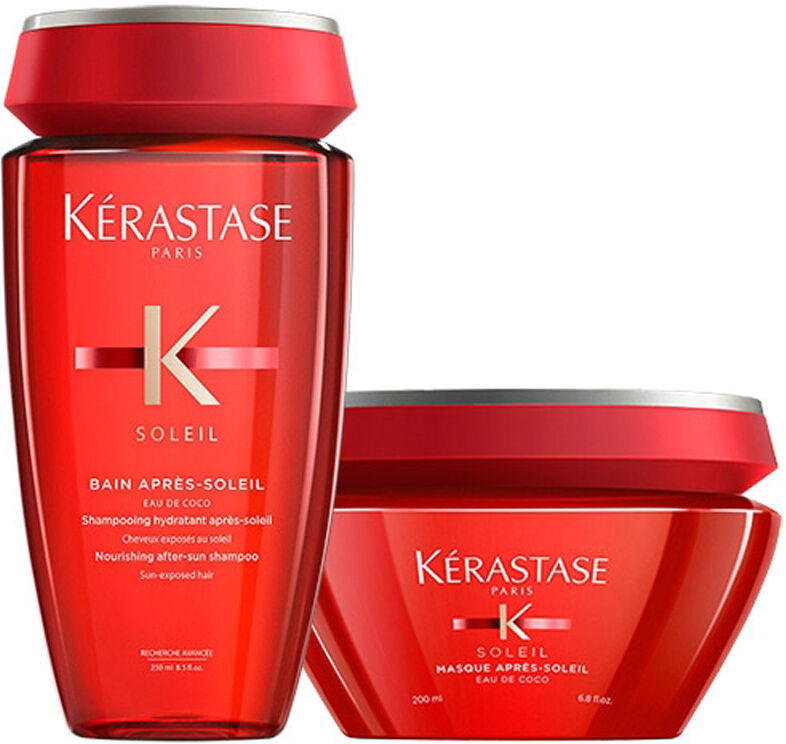
Kérastase Soleil Bain Aprés-Soleil 250ml and Masque Apres-Soleil 200Kérastase Soleil Bain Apres-Soleil is suitable for all sensitivities of hair. The gentle hair bath works to eliminate the build-up of protection products, sand and salt from the scalp and hair. The result is softer, supple and radiant hair which lasts for longer. The Kérastase Soleil Aprés-Soleil Masque contains a Photo-Defense Filter that gives constant protection against both UVA and UVB rays whilst Cationic Silicone strengthens and reinforces the hair.55,50 £*Shipping: 0,00 £Secure redirect to the provider
-
Novica Handmade Memories From The Tavern Wood And Stainless Steel Beer MugRevive old memories with friends with this elegant beer mug crafted by artisan Carlos Torres in Mexico. Working with oak barrel staves, Carlos creates a sturdy accessory with a classical vibe, enhanced by a stainless steel coat for a refreshing drink.113,98 $*Shipping: 0,00 $Secure redirect to the provider
-
Alpine Reindeer - Fawn - Ballard DesignsOur graceful Alpine Reindeer were inspired by antiques we found on a European treasure hunt. Each charming figure is hand sculpted of outdoor-safe materials to create the weathered stone texture and finished in snowy bisque white to stand out in...127,20 $*Shipping: 179,00 $Secure redirect to the provider


-
How is the Subjonctif Présent used in French?
The Subjonctif Présent is used in French to express doubt, uncertainty, desire, necessity, or emotion. It is often used after certain verbs and expressions that indicate these feelings, such as "vouloir que" (to want that), "il est important que" (it is important that), or "il faut que" (it is necessary that). The Subjonctif Présent is conjugated differently from other verb tenses and has specific endings for each subject pronoun. It is important to pay attention to the context in which the Subjonctif Présent is used to understand its meaning and usage. **
-
What is the difference between Imparfait and Conditionnel présent?
The Imparfait is used to describe ongoing or repeated actions in the past, while the Conditionnel présent is used to express hypothetical or uncertain actions in the present or future. The Imparfait is used to set the scene or provide background information, while the Conditionnel présent is used to express a condition or consequence. Additionally, the Imparfait is formed by adding specific endings to the root of the verb, while the Conditionnel présent is formed by adding specific endings to the infinitive form of the verb. **
-
How do you distinguish between the Imparfait, the Conditionnel Présent, and the Futur Simple in French?
In French, the Imparfait is used to describe ongoing or repeated actions in the past, while the Conditionnel Présent is used to express hypothetical or uncertain actions in the present or future. The Futur Simple, on the other hand, is used to talk about actions that will happen in the future. To distinguish between them, pay attention to the context of the sentence and the time frame being referred to. The Imparfait will typically be used for past actions, the Conditionnel Présent for hypothetical situations, and the Futur Simple for future events. **
-
What is the difference between apres and apres que?
The main difference between "après" and "après que" is that "après" is a preposition that means "after," while "après que" is a conjunction that means "after" or "after that." "Après" is used to indicate a time relationship between two events or actions, while "après que" is used to introduce a subordinate clause that expresses an action that occurs after another action. For example, "Je suis rentré après le dîner" means "I came back after dinner," while "Je suis rentré après que le dîner était fini" means "I came back after dinner was finished." **


Do mountain troops exist without skiing skills?
While skiing skills are often associated with mountain troops due to the terrain they operate in, it is not a requirement for all mountain troops. Mountain troops can still exist and be effective in rugged, high-altitude environments without skiing skills. They may utilize other methods of mobility such as snowshoeing, climbing, or hiking to navigate the challenging terrain. Ultimately, the specific skills and training required for mountain troops will depend on the specific needs and conditions of their operational environment. **
Are medium mountain ranges higher than the Alpine foothills?
No, medium mountain ranges are typically lower in elevation than the Alpine foothills. The Alpine foothills are located at the base of the Alps, which are some of the highest mountains in Europe. Medium mountain ranges, on the other hand, are generally lower in elevation and do not reach the heights of the Alps or their foothills. **
Top-Angebote
Products related to Présent:
-
Women's Apres Ski Beanie Hat in Olive Green by AriatAdd equestrian style to your après-anything look. We paired the just-right warmth of soft knit fabric with bold Ariat branding and a classic pom you'll love. Apres Ski Beanie Women's Apres Ski Beanie Hat in Olive Green by Ariat34,95 $*Shipping: 0,00 $Secure redirect to the provider
-
Women's Apres Ski Beanie Hat in Off White by AriatAdd equestrian style to your après-anything look. We paired the just-right warmth of soft knit fabric with bold Ariat branding and a classic pom you'll love. Apres Ski Beanie Women's Apres Ski Beanie Hat in Off White by Ariat34,95 $*Shipping: 0,00 $Secure redirect to the provider
-
Kérastase Soleil Bain Aprés-Soleil 250ml and Masque Apres-Soleil 200Kérastase Soleil Bain Apres-Soleil is suitable for all sensitivities of hair. The gentle hair bath works to eliminate the build-up of protection products, sand and salt from the scalp and hair. The result is softer, supple and radiant hair which lasts for longer. The Kérastase Soleil Aprés-Soleil Masque contains a Photo-Defense Filter that gives constant protection against both UVA and UVB rays whilst Cationic Silicone strengthens and reinforces the hair.55,50 £*Shipping: 0,00 £Secure redirect to the provider
-
Novica Handmade Memories From The Tavern Wood And Stainless Steel Beer MugRevive old memories with friends with this elegant beer mug crafted by artisan Carlos Torres in Mexico. Working with oak barrel staves, Carlos creates a sturdy accessory with a classical vibe, enhanced by a stainless steel coat for a refreshing drink.113,98 $*Shipping: 0,00 $Secure redirect to the provider
-
Is it "le présent texte" or "le texte présent"?
The correct phrase is "le texte présent." In French, adjectives generally come after the noun they modify, so "présent" should come after "texte." Therefore, the correct phrase is "le texte présent." **
-
Does it say "le présent texte" or "le texte présent"?
It says "le présent texte." **
-
How is the Subjonctif Présent used in French?
The Subjonctif Présent is used in French to express doubt, uncertainty, desire, necessity, or emotion. It is often used after certain verbs and expressions that indicate these feelings, such as "vouloir que" (to want that), "il est important que" (it is important that), or "il faut que" (it is necessary that). The Subjonctif Présent is conjugated differently from other verb tenses and has specific endings for each subject pronoun. It is important to pay attention to the context in which the Subjonctif Présent is used to understand its meaning and usage. **
-
What is the difference between Imparfait and Conditionnel présent?
The Imparfait is used to describe ongoing or repeated actions in the past, while the Conditionnel présent is used to express hypothetical or uncertain actions in the present or future. The Imparfait is used to set the scene or provide background information, while the Conditionnel présent is used to express a condition or consequence. Additionally, the Imparfait is formed by adding specific endings to the root of the verb, while the Conditionnel présent is formed by adding specific endings to the infinitive form of the verb. **
Similar search terms for Présent
-
Alpine Reindeer - Fawn - Ballard DesignsOur graceful Alpine Reindeer were inspired by antiques we found on a European treasure hunt. Each charming figure is hand sculpted of outdoor-safe materials to create the weathered stone texture and finished in snowy bisque white to stand out in...127,20 $*Shipping: 179,00 $Secure redirect to the provider
-
Kérastase Soleil Bain Aprés-Soleil 250ml and Masque Apres-Soleil 200Kérastase Soleil Bain Apres-Soleil is suitable for all sensitivities of hair. The gentle hair bath works to eliminate the build-up of protection products, sand and salt from the scalp and hair. The result is softer, supple and radiant hair which lasts for longer. The Kérastase Soleil Aprés-Soleil Masque contains a Photo-Defense Filter that gives constant protection against both UVA and UVB rays whilst Cationic Silicone strengthens and reinforces the hair.55,50 £*Shipping: 0,00 £Secure redirect to the provider
-
How do you distinguish between the Imparfait, the Conditionnel Présent, and the Futur Simple in French?
In French, the Imparfait is used to describe ongoing or repeated actions in the past, while the Conditionnel Présent is used to express hypothetical or uncertain actions in the present or future. The Futur Simple, on the other hand, is used to talk about actions that will happen in the future. To distinguish between them, pay attention to the context of the sentence and the time frame being referred to. The Imparfait will typically be used for past actions, the Conditionnel Présent for hypothetical situations, and the Futur Simple for future events. **
-
What is the difference between apres and apres que?
The main difference between "après" and "après que" is that "après" is a preposition that means "after," while "après que" is a conjunction that means "after" or "after that." "Après" is used to indicate a time relationship between two events or actions, while "après que" is used to introduce a subordinate clause that expresses an action that occurs after another action. For example, "Je suis rentré après le dîner" means "I came back after dinner," while "Je suis rentré après que le dîner était fini" means "I came back after dinner was finished." **
-
Do mountain troops exist without skiing skills?
While skiing skills are often associated with mountain troops due to the terrain they operate in, it is not a requirement for all mountain troops. Mountain troops can still exist and be effective in rugged, high-altitude environments without skiing skills. They may utilize other methods of mobility such as snowshoeing, climbing, or hiking to navigate the challenging terrain. Ultimately, the specific skills and training required for mountain troops will depend on the specific needs and conditions of their operational environment. **
-
Are medium mountain ranges higher than the Alpine foothills?
No, medium mountain ranges are typically lower in elevation than the Alpine foothills. The Alpine foothills are located at the base of the Alps, which are some of the highest mountains in Europe. Medium mountain ranges, on the other hand, are generally lower in elevation and do not reach the heights of the Alps or their foothills. **
* All prices are inclusive of VAT and, if applicable, plus shipping costs. The offer information is based on the details provided by the respective shop and is updated through automated processes. Real-time updates do not occur, so deviations can occur in individual cases. ** Note: Parts of this content were created by AI.