Buy ingasalpinetavern.com ?
We are moving the project
ingasalpinetavern.com .
Are you interested in purchasing the domain
ingasalpinetavern.com ?
domain@kv-gmbh.de · 0541-91531010
Buy ingasalpinetavern.com ?
What can cause skidding in a curve?
Skidding in a curve can be caused by various factors such as excessive speed, sudden braking, worn-out tires with low tread depth, or adverse weather conditions like rain or ice. When a vehicle enters a curve at a speed higher than what the tires can handle, it can lose traction and slide out of control. Proper maintenance of tires, adjusting speed to match road conditions, and avoiding sudden maneuvers can help prevent skidding in curves. **
What is the difference between slipping and skidding?
Slipping and skidding are both terms used to describe a loss of traction between a vehicle's tires and the road surface, but they occur in different ways. Slipping happens when the tires lose traction and slide sideways, causing the vehicle to veer off course. Skidding, on the other hand, occurs when the tires lose traction and slide in a straight line, making it difficult for the driver to control the vehicle's direction. In both cases, it is important for drivers to react quickly and appropriately to regain control of the vehicle. **


Similar search terms for Skidding
Top-Angebote
Products related to Skidding:
-
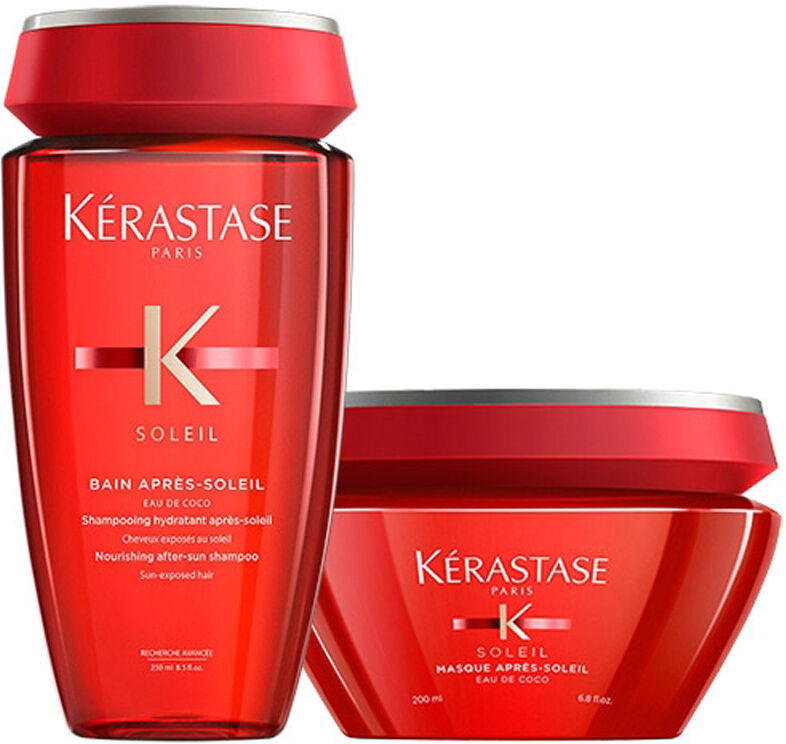
Kérastase Soleil Bain Aprés-Soleil 250ml and Masque Apres-Soleil 200Kérastase Soleil Bain Apres-Soleil is suitable for all sensitivities of hair. The gentle hair bath works to eliminate the build-up of protection products, sand and salt from the scalp and hair. The result is softer, supple and radiant hair which lasts for longer. The Kérastase Soleil Aprés-Soleil Masque contains a Photo-Defense Filter that gives constant protection against both UVA and UVB rays whilst Cationic Silicone strengthens and reinforces the hair.55,50 £*Shipping: 0,00 £Secure redirect to the provider
-
Novica Handmade Memories From The Tavern Wood And Stainless Steel Beer MugRevive old memories with friends with this elegant beer mug crafted by artisan Carlos Torres in Mexico. Working with oak barrel staves, Carlos creates a sturdy accessory with a classical vibe, enhanced by a stainless steel coat for a refreshing drink.113,98 $*Shipping: 0,00 $Secure redirect to the provider
-
Alpine Reindeer - Fawn - Ballard DesignsOur graceful Alpine Reindeer were inspired by antiques we found on a European treasure hunt. Each charming figure is hand sculpted of outdoor-safe materials to create the weathered stone texture and finished in snowy bisque white to stand out in...127,20 $*Shipping: 179,00 $Secure redirect to the provider




-
What causes extreme sliding and skidding in wet conditions?
Extreme sliding and skidding in wet conditions are primarily caused by a loss of traction between the tires and the road surface. This loss of traction can occur due to a combination of factors, including reduced friction between the tires and the wet road surface, hydroplaning where a layer of water builds up between the tires and the road, and decreased responsiveness of the tires in wet conditions. Additionally, driving at high speeds or sudden changes in direction can exacerbate the likelihood of sliding and skidding in wet conditions. **
-
Why can defective shock absorbers lead to skidding in curves?
Defective shock absorbers can lead to skidding in curves because they are responsible for maintaining the stability and control of the vehicle. When shock absorbers are defective, they are unable to effectively dampen the bouncing and bouncing of the vehicle, causing the tires to lose contact with the road surface. This loss of traction can lead to skidding, especially when navigating curves where proper tire grip and control are crucial. Additionally, defective shock absorbers can also cause the vehicle to lean excessively during cornering, further compromising its stability and increasing the risk of skidding. **
-
What speed is considered dangerous for skidding on wet roads at 80 km/h?
When driving on wet roads, a speed of around 70-75 km/h is considered dangerous for skidding. At 80 km/h, the risk of skidding increases significantly due to reduced traction between the tires and the road surface. It is important to reduce speed and drive cautiously in wet conditions to avoid losing control of the vehicle. **
-
Does the ESP still regulate when the rear end breaks out and extreme skidding occurs?
Yes, the Electronic Stability Program (ESP) still regulates when the rear end breaks out and extreme skidding occurs. The ESP system is designed to help maintain vehicle stability and control by automatically applying the brakes to individual wheels and reducing engine power when it detects loss of traction. This helps to prevent the vehicle from spinning out or skidding uncontrollably, making it an important safety feature in modern vehicles. **

Does the ESP still work when the rear end breaks out and extreme skidding occurs?
Yes, ESP (Electronic Stability Program) is designed to help maintain control of the vehicle during extreme skidding or loss of traction situations, such as when the rear end breaks out. When the system detects that the vehicle is not responding as intended, it can apply individual brakes and adjust engine power to help stabilize the vehicle and prevent it from spinning out of control. Therefore, ESP can still work effectively in these situations to help the driver regain control of the vehicle. **
At what speed is there a risk of skidding in wet conditions at 80 km/h?
In wet conditions, the risk of skidding increases as the speed of the vehicle increases. At 80 km/h, there is a significant risk of skidding if the road is wet due to reduced tire traction. It is important to drive at a safe speed, below the speed limit if necessary, to avoid skidding and maintain control of the vehicle in wet conditions. **
Top-Angebote
Products related to Skidding:
-
Women's Apres Ski Beanie Hat in Olive Green by AriatAdd equestrian style to your après-anything look. We paired the just-right warmth of soft knit fabric with bold Ariat branding and a classic pom you'll love. Apres Ski Beanie Women's Apres Ski Beanie Hat in Olive Green by Ariat34,95 $*Shipping: 0,00 $Secure redirect to the provider
-
Women's Apres Ski Beanie Hat in Off White by AriatAdd equestrian style to your après-anything look. We paired the just-right warmth of soft knit fabric with bold Ariat branding and a classic pom you'll love. Apres Ski Beanie Women's Apres Ski Beanie Hat in Off White by Ariat34,95 $*Shipping: 0,00 $Secure redirect to the provider
-
Kérastase Soleil Bain Aprés-Soleil 250ml and Masque Apres-Soleil 200Kérastase Soleil Bain Apres-Soleil is suitable for all sensitivities of hair. The gentle hair bath works to eliminate the build-up of protection products, sand and salt from the scalp and hair. The result is softer, supple and radiant hair which lasts for longer. The Kérastase Soleil Aprés-Soleil Masque contains a Photo-Defense Filter that gives constant protection against both UVA and UVB rays whilst Cationic Silicone strengthens and reinforces the hair.55,50 £*Shipping: 0,00 £Secure redirect to the provider
-
Novica Handmade Memories From The Tavern Wood And Stainless Steel Beer MugRevive old memories with friends with this elegant beer mug crafted by artisan Carlos Torres in Mexico. Working with oak barrel staves, Carlos creates a sturdy accessory with a classical vibe, enhanced by a stainless steel coat for a refreshing drink.113,98 $*Shipping: 0,00 $Secure redirect to the provider
-
What can cause skidding in a curve?
Skidding in a curve can be caused by various factors such as excessive speed, sudden braking, worn-out tires with low tread depth, or adverse weather conditions like rain or ice. When a vehicle enters a curve at a speed higher than what the tires can handle, it can lose traction and slide out of control. Proper maintenance of tires, adjusting speed to match road conditions, and avoiding sudden maneuvers can help prevent skidding in curves. **
-
What is the difference between slipping and skidding?
Slipping and skidding are both terms used to describe a loss of traction between a vehicle's tires and the road surface, but they occur in different ways. Slipping happens when the tires lose traction and slide sideways, causing the vehicle to veer off course. Skidding, on the other hand, occurs when the tires lose traction and slide in a straight line, making it difficult for the driver to control the vehicle's direction. In both cases, it is important for drivers to react quickly and appropriately to regain control of the vehicle. **
-
What causes extreme sliding and skidding in wet conditions?
Extreme sliding and skidding in wet conditions are primarily caused by a loss of traction between the tires and the road surface. This loss of traction can occur due to a combination of factors, including reduced friction between the tires and the wet road surface, hydroplaning where a layer of water builds up between the tires and the road, and decreased responsiveness of the tires in wet conditions. Additionally, driving at high speeds or sudden changes in direction can exacerbate the likelihood of sliding and skidding in wet conditions. **
-
Why can defective shock absorbers lead to skidding in curves?
Defective shock absorbers can lead to skidding in curves because they are responsible for maintaining the stability and control of the vehicle. When shock absorbers are defective, they are unable to effectively dampen the bouncing and bouncing of the vehicle, causing the tires to lose contact with the road surface. This loss of traction can lead to skidding, especially when navigating curves where proper tire grip and control are crucial. Additionally, defective shock absorbers can also cause the vehicle to lean excessively during cornering, further compromising its stability and increasing the risk of skidding. **
Similar search terms for Skidding
-
Alpine Reindeer - Fawn - Ballard DesignsOur graceful Alpine Reindeer were inspired by antiques we found on a European treasure hunt. Each charming figure is hand sculpted of outdoor-safe materials to create the weathered stone texture and finished in snowy bisque white to stand out in...127,20 $*Shipping: 179,00 $Secure redirect to the provider
-
Kérastase Soleil Bain Aprés-Soleil 250ml and Masque Apres-Soleil 200Kérastase Soleil Bain Apres-Soleil is suitable for all sensitivities of hair. The gentle hair bath works to eliminate the build-up of protection products, sand and salt from the scalp and hair. The result is softer, supple and radiant hair which lasts for longer. The Kérastase Soleil Aprés-Soleil Masque contains a Photo-Defense Filter that gives constant protection against both UVA and UVB rays whilst Cationic Silicone strengthens and reinforces the hair.55,50 £*Shipping: 0,00 £Secure redirect to the provider
-
What speed is considered dangerous for skidding on wet roads at 80 km/h?
When driving on wet roads, a speed of around 70-75 km/h is considered dangerous for skidding. At 80 km/h, the risk of skidding increases significantly due to reduced traction between the tires and the road surface. It is important to reduce speed and drive cautiously in wet conditions to avoid losing control of the vehicle. **
-
Does the ESP still regulate when the rear end breaks out and extreme skidding occurs?
Yes, the Electronic Stability Program (ESP) still regulates when the rear end breaks out and extreme skidding occurs. The ESP system is designed to help maintain vehicle stability and control by automatically applying the brakes to individual wheels and reducing engine power when it detects loss of traction. This helps to prevent the vehicle from spinning out or skidding uncontrollably, making it an important safety feature in modern vehicles. **
-
Does the ESP still work when the rear end breaks out and extreme skidding occurs?
Yes, ESP (Electronic Stability Program) is designed to help maintain control of the vehicle during extreme skidding or loss of traction situations, such as when the rear end breaks out. When the system detects that the vehicle is not responding as intended, it can apply individual brakes and adjust engine power to help stabilize the vehicle and prevent it from spinning out of control. Therefore, ESP can still work effectively in these situations to help the driver regain control of the vehicle. **
-
At what speed is there a risk of skidding in wet conditions at 80 km/h?
In wet conditions, the risk of skidding increases as the speed of the vehicle increases. At 80 km/h, there is a significant risk of skidding if the road is wet due to reduced tire traction. It is important to drive at a safe speed, below the speed limit if necessary, to avoid skidding and maintain control of the vehicle in wet conditions. **
* All prices are inclusive of VAT and, if applicable, plus shipping costs. The offer information is based on the details provided by the respective shop and is updated through automated processes. Real-time updates do not occur, so deviations can occur in individual cases. ** Note: Parts of this content were created by AI.