Buy ingasalpinetavern.com ?
We are moving the project
ingasalpinetavern.com .
Are you interested in purchasing the domain
ingasalpinetavern.com ?
domain@kv-gmbh.de · 0541-91531010
Buy ingasalpinetavern.com ?
What is meant by deontological and teleological?
Deontological ethics is an ethical theory that focuses on the inherent rightness or wrongness of actions themselves, rather than the consequences of those actions. It emphasizes the importance of following moral rules and duties, regardless of the outcomes. On the other hand, teleological ethics, also known as consequentialism, is an ethical theory that evaluates the morality of actions based on their outcomes or consequences. It emphasizes the idea that the rightness or wrongness of an action is determined by the overall good or bad results it produces. In summary, deontological ethics focuses on the inherent nature of actions, while teleological ethics focuses on the outcomes of actions. **
Is teleological ethics the same as teleology?
Teleological ethics and teleology are related concepts, but they are not the same. Teleological ethics is a moral theory that emphasizes the consequences or outcomes of actions as the basis for determining their ethical value. Teleology, on the other hand, is a broader philosophical concept that refers to the study of purpose or goals in nature and human existence. While teleological ethics is a specific application of teleology to moral decision-making, teleology encompasses a wider range of philosophical inquiries into purpose and design in the natural world. **


Similar search terms for Teleological
Top-Angebote
Products related to Teleological:
-
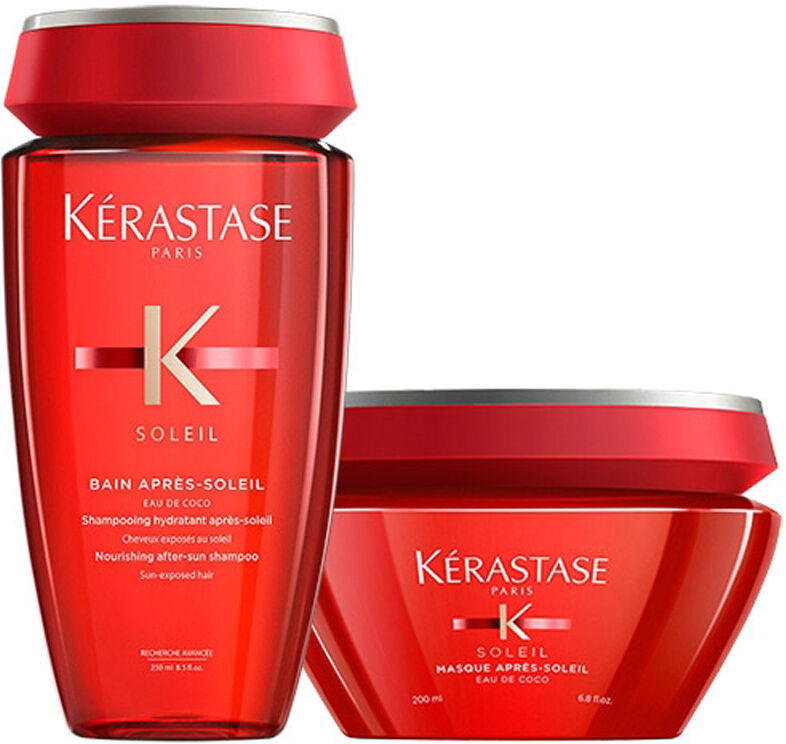
Kérastase Soleil Bain Aprés-Soleil 250ml and Masque Apres-Soleil 200Kérastase Soleil Bain Apres-Soleil is suitable for all sensitivities of hair. The gentle hair bath works to eliminate the build-up of protection products, sand and salt from the scalp and hair. The result is softer, supple and radiant hair which lasts for longer. The Kérastase Soleil Aprés-Soleil Masque contains a Photo-Defense Filter that gives constant protection against both UVA and UVB rays whilst Cationic Silicone strengthens and reinforces the hair.55,50 £*Shipping: 0,00 £Secure redirect to the provider
-
Novica Handmade Memories From The Tavern Wood And Stainless Steel Beer MugRevive old memories with friends with this elegant beer mug crafted by artisan Carlos Torres in Mexico. Working with oak barrel staves, Carlos creates a sturdy accessory with a classical vibe, enhanced by a stainless steel coat for a refreshing drink.113,98 $*Shipping: 0,00 $Secure redirect to the provider
-
Alpine Reindeer - Fawn - Ballard DesignsOur graceful Alpine Reindeer were inspired by antiques we found on a European treasure hunt. Each charming figure is hand sculpted of outdoor-safe materials to create the weathered stone texture and finished in snowy bisque white to stand out in...127,20 $*Shipping: 179,00 $Secure redirect to the provider



-
Does discourse ethics have a teleological or deontological approach?
Discourse ethics is primarily associated with a deontological approach. It focuses on the principles of communication and interaction between individuals, emphasizing the importance of ethical norms and rules in guiding discourse. The goal is to ensure that communication is based on mutual respect, equality, and rationality, rather than aiming towards a specific outcome or goal. By prioritizing the ethical principles of communication, discourse ethics aims to create a fair and just dialogue among participants. **
-
What is the teleological argument for the existence of God?
The teleological argument, also known as the argument from design, posits that the complexity and order in the universe suggest the existence of a designer, which is often equated with God. This argument points to the intricate design and purposeful arrangement of elements in the natural world, such as the human eye or the fine-tuning of physical constants, as evidence of an intelligent creator. Proponents of the teleological argument argue that the presence of design implies a designer, leading to the conclusion that God must exist as the ultimate designer of the universe. **
-
Can someone explain Aristotle's teleological view of the world to me?
Aristotle's teleological view of the world is based on the idea that everything in the natural world has a purpose or goal. According to Aristotle, all things in nature strive towards their own perfection or fulfillment. This means that each object or organism has a specific function or purpose that it is naturally inclined to fulfill. For example, the purpose of an acorn is to grow into an oak tree. This teleological perspective suggests that there is an inherent order and purpose in the natural world, and that everything has a specific role to play in the overall functioning of the universe. **
-
Does the teleological cosmic Kalam argument rely on a fatal fallacy?
The teleological cosmic Kalam argument does not rely on a fatal fallacy. The argument, which posits that the universe has a cause and that cause must be God, is based on the idea that the universe had a beginning and therefore requires a cause. While there may be objections and counterarguments to the Kalam argument, it does not contain a fatal fallacy. It is a philosophical and theological argument that has been debated and discussed for centuries, and while it may not be universally accepted, it is a valid and coherent argument within the realm of philosophical and theological discourse. **


What are the arguments against the teleological argument for the existence of God?
The teleological argument, also known as the argument from design, posits that the complexity and order in the universe point to the existence of an intelligent designer, namely God. However, there are several counterarguments to this claim. One argument is that the apparent design in the universe can be explained by natural processes such as evolution, without the need for a supernatural designer. Additionally, the presence of imperfections and instances of apparent "bad design" in the natural world, such as the existence of diseases and natural disasters, is seen as evidence against the idea of a perfect and benevolent designer. Furthermore, the teleological argument is criticized for relying on analogical reasoning, which may not be a sound basis for establishing the existence of a divine creator. **
What is the difference between apres and apres que?
The main difference between "après" and "après que" is that "après" is a preposition that means "after," while "après que" is a conjunction that means "after" or "after that." "Après" is used to indicate a time relationship between two events or actions, while "après que" is used to introduce a subordinate clause that expresses an action that occurs after another action. For example, "Je suis rentré après le dîner" means "I came back after dinner," while "Je suis rentré après que le dîner était fini" means "I came back after dinner was finished." **
Top-Angebote
Products related to Teleological:
-
Women's Apres Ski Beanie Hat in Olive Green by AriatAdd equestrian style to your après-anything look. We paired the just-right warmth of soft knit fabric with bold Ariat branding and a classic pom you'll love. Apres Ski Beanie Women's Apres Ski Beanie Hat in Olive Green by Ariat34,95 $*Shipping: 0,00 $Secure redirect to the provider
-
Women's Apres Ski Beanie Hat in Off White by AriatAdd equestrian style to your après-anything look. We paired the just-right warmth of soft knit fabric with bold Ariat branding and a classic pom you'll love. Apres Ski Beanie Women's Apres Ski Beanie Hat in Off White by Ariat34,95 $*Shipping: 0,00 $Secure redirect to the provider
-
Kérastase Soleil Bain Aprés-Soleil 250ml and Masque Apres-Soleil 200Kérastase Soleil Bain Apres-Soleil is suitable for all sensitivities of hair. The gentle hair bath works to eliminate the build-up of protection products, sand and salt from the scalp and hair. The result is softer, supple and radiant hair which lasts for longer. The Kérastase Soleil Aprés-Soleil Masque contains a Photo-Defense Filter that gives constant protection against both UVA and UVB rays whilst Cationic Silicone strengthens and reinforces the hair.55,50 £*Shipping: 0,00 £Secure redirect to the provider
-
Novica Handmade Memories From The Tavern Wood And Stainless Steel Beer MugRevive old memories with friends with this elegant beer mug crafted by artisan Carlos Torres in Mexico. Working with oak barrel staves, Carlos creates a sturdy accessory with a classical vibe, enhanced by a stainless steel coat for a refreshing drink.113,98 $*Shipping: 0,00 $Secure redirect to the provider
-
What is meant by deontological and teleological?
Deontological ethics is an ethical theory that focuses on the inherent rightness or wrongness of actions themselves, rather than the consequences of those actions. It emphasizes the importance of following moral rules and duties, regardless of the outcomes. On the other hand, teleological ethics, also known as consequentialism, is an ethical theory that evaluates the morality of actions based on their outcomes or consequences. It emphasizes the idea that the rightness or wrongness of an action is determined by the overall good or bad results it produces. In summary, deontological ethics focuses on the inherent nature of actions, while teleological ethics focuses on the outcomes of actions. **
-
Is teleological ethics the same as teleology?
Teleological ethics and teleology are related concepts, but they are not the same. Teleological ethics is a moral theory that emphasizes the consequences or outcomes of actions as the basis for determining their ethical value. Teleology, on the other hand, is a broader philosophical concept that refers to the study of purpose or goals in nature and human existence. While teleological ethics is a specific application of teleology to moral decision-making, teleology encompasses a wider range of philosophical inquiries into purpose and design in the natural world. **
-
Does discourse ethics have a teleological or deontological approach?
Discourse ethics is primarily associated with a deontological approach. It focuses on the principles of communication and interaction between individuals, emphasizing the importance of ethical norms and rules in guiding discourse. The goal is to ensure that communication is based on mutual respect, equality, and rationality, rather than aiming towards a specific outcome or goal. By prioritizing the ethical principles of communication, discourse ethics aims to create a fair and just dialogue among participants. **
-
What is the teleological argument for the existence of God?
The teleological argument, also known as the argument from design, posits that the complexity and order in the universe suggest the existence of a designer, which is often equated with God. This argument points to the intricate design and purposeful arrangement of elements in the natural world, such as the human eye or the fine-tuning of physical constants, as evidence of an intelligent creator. Proponents of the teleological argument argue that the presence of design implies a designer, leading to the conclusion that God must exist as the ultimate designer of the universe. **
Similar search terms for Teleological
-
Alpine Reindeer - Fawn - Ballard DesignsOur graceful Alpine Reindeer were inspired by antiques we found on a European treasure hunt. Each charming figure is hand sculpted of outdoor-safe materials to create the weathered stone texture and finished in snowy bisque white to stand out in...127,20 $*Shipping: 179,00 $Secure redirect to the provider
-
Kérastase Soleil Bain Aprés-Soleil 250ml and Masque Apres-Soleil 200Kérastase Soleil Bain Apres-Soleil is suitable for all sensitivities of hair. The gentle hair bath works to eliminate the build-up of protection products, sand and salt from the scalp and hair. The result is softer, supple and radiant hair which lasts for longer. The Kérastase Soleil Aprés-Soleil Masque contains a Photo-Defense Filter that gives constant protection against both UVA and UVB rays whilst Cationic Silicone strengthens and reinforces the hair.55,50 £*Shipping: 0,00 £Secure redirect to the provider
-
Can someone explain Aristotle's teleological view of the world to me?
Aristotle's teleological view of the world is based on the idea that everything in the natural world has a purpose or goal. According to Aristotle, all things in nature strive towards their own perfection or fulfillment. This means that each object or organism has a specific function or purpose that it is naturally inclined to fulfill. For example, the purpose of an acorn is to grow into an oak tree. This teleological perspective suggests that there is an inherent order and purpose in the natural world, and that everything has a specific role to play in the overall functioning of the universe. **
-
Does the teleological cosmic Kalam argument rely on a fatal fallacy?
The teleological cosmic Kalam argument does not rely on a fatal fallacy. The argument, which posits that the universe has a cause and that cause must be God, is based on the idea that the universe had a beginning and therefore requires a cause. While there may be objections and counterarguments to the Kalam argument, it does not contain a fatal fallacy. It is a philosophical and theological argument that has been debated and discussed for centuries, and while it may not be universally accepted, it is a valid and coherent argument within the realm of philosophical and theological discourse. **
-
What are the arguments against the teleological argument for the existence of God?
The teleological argument, also known as the argument from design, posits that the complexity and order in the universe point to the existence of an intelligent designer, namely God. However, there are several counterarguments to this claim. One argument is that the apparent design in the universe can be explained by natural processes such as evolution, without the need for a supernatural designer. Additionally, the presence of imperfections and instances of apparent "bad design" in the natural world, such as the existence of diseases and natural disasters, is seen as evidence against the idea of a perfect and benevolent designer. Furthermore, the teleological argument is criticized for relying on analogical reasoning, which may not be a sound basis for establishing the existence of a divine creator. **
-
What is the difference between apres and apres que?
The main difference between "après" and "après que" is that "après" is a preposition that means "after," while "après que" is a conjunction that means "after" or "after that." "Après" is used to indicate a time relationship between two events or actions, while "après que" is used to introduce a subordinate clause that expresses an action that occurs after another action. For example, "Je suis rentré après le dîner" means "I came back after dinner," while "Je suis rentré après que le dîner était fini" means "I came back after dinner was finished." **
* All prices are inclusive of VAT and, if applicable, plus shipping costs. The offer information is based on the details provided by the respective shop and is updated through automated processes. Real-time updates do not occur, so deviations can occur in individual cases. ** Note: Parts of this content were created by AI.